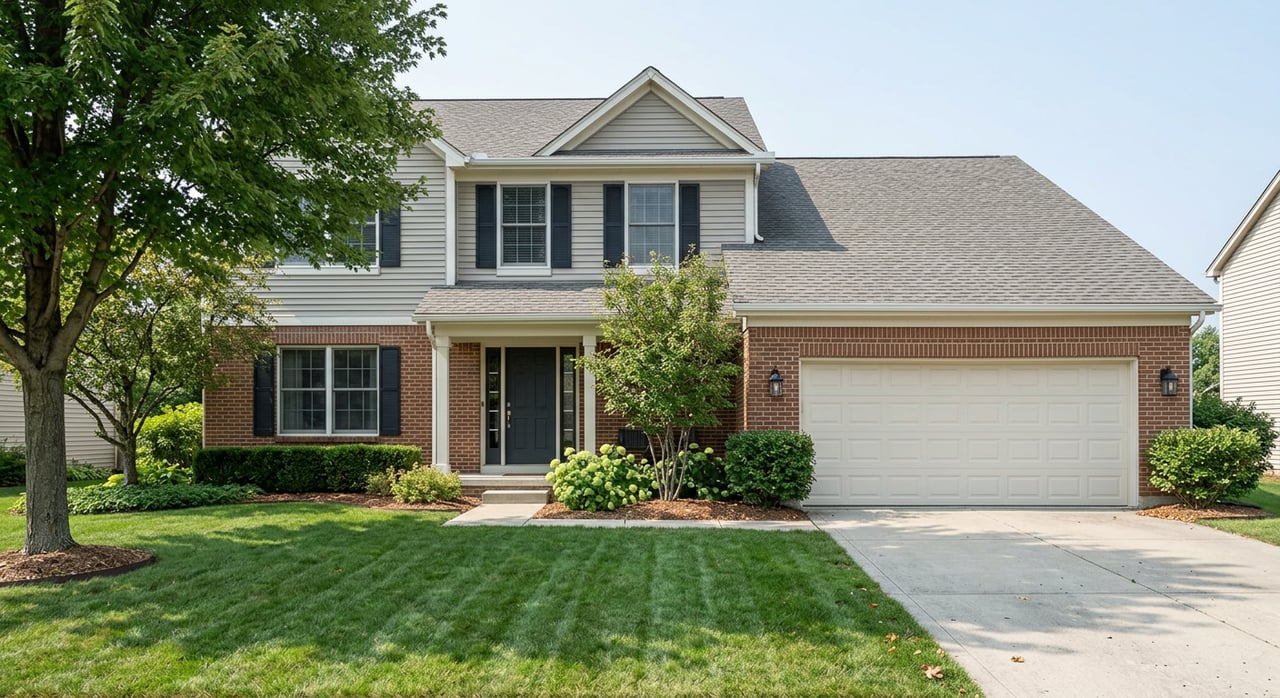
Trying to choose between Gibsonia’s tree-lined older streets and the convenience of a brand-new subdivision? Both paths can be smart in today’s market, but they deliver very different day-to-day experiences and cost profiles. You want the right mix of space, low surprise costs, and a home that fits your routine. This guide breaks down the key differences on lots, streets, utilities, architecture, maintenance, HOAs, and taxes so you can decide with confidence. Let’s dive in.
Gibsonia snapshot and market context
Gibsonia sits in northern Allegheny County with services and zoning largely handled by Richland and Pine townships. Many addresses feed into Pine-Richland School District, and boundaries can cross township lines, so verify the assigned school for any property you consider.
Market trackers place Gibsonia’s median and list prices roughly in the 395k to 460k range, reflecting tight inventory and steady demand. You can review current trends on the Zillow Gibsonia market overview for a recent snapshot of pricing and supply. Zillow’s Gibsonia home values page is a helpful reference when you want the latest data point.
New-home construction remains active locally. For example, Maronda Homes’ Gibsonia communities highlight the planned subdivision format you will often see: consistent lot layouts, community features, and defined HOA structures.
Key differences at a glance
Established streets
- Irregular lot shapes and sizes often mean more yard variety and mature trees.
- Older architectural styles like ranches, split-levels, and traditional colonials are common.
- Lower likelihood of HOA restrictions but a higher chance of near-term repairs or upgrades.
- Utilities can vary by street and era, including possible well and septic on select parcels.
Newer subdivisions
- Standardized lots and setbacks create a consistent neighborhood look and easier comps.
- Modern floorplans, higher ceilings, and open kitchens are typical.
- HOA fees often support common areas, private roads, and amenities.
- New systems, current building codes, and builder warranties reduce early maintenance risk.
Lots, streets, and utilities
Lot layout and size
On older Gibsonia streets, lots tend to be more varied in shape and frontage, with landscaping that has grown in over decades. That can add privacy and character. Newer subdivisions usually follow standardized templates, so frontage, setbacks, and yard depth are more predictable from home to home. Predictability helps with appraisals and long-term comparables, while older areas may offer standout lot sizes if you value elbow room.
Streets and walkability
Planned subdivisions often include curvilinear streets, cul-de-sacs, and defined sidewalk networks that are set during plan approval. Many local land development codes require sidewalks and stormwater controls for new projects. You can see how these requirements are typically structured in municipal development standards. Established streets may predate modern connectivity standards, so sidewalk coverage can be inconsistent.
Sewer, water, and stormwater
Newer subdivisions inside service zones usually tie into public water and sewer, while select older or more rural parcels may still use private wells and on-lot septic. Always confirm the utility type before you write an offer. Richland Township posts current information about public service providers and coverage on its Public Sewer & Water page.
Modern subdivisions are engineered with stormwater systems like basins and managed outflows that are recorded at approval. Older streets often predate those standards, so runoff behavior may be more site specific. Ask for any available drainage history and review disclosures carefully during inspections.
Street ownership and maintenance
Some planned communities include private roads managed by the HOA, while public streets are maintained by the township. That difference affects snow plowing, repairs, and your recurring costs. Verify street ownership and any HOA responsibilities during due diligence.
Architecture, systems, and maintenance
Style and floorplans
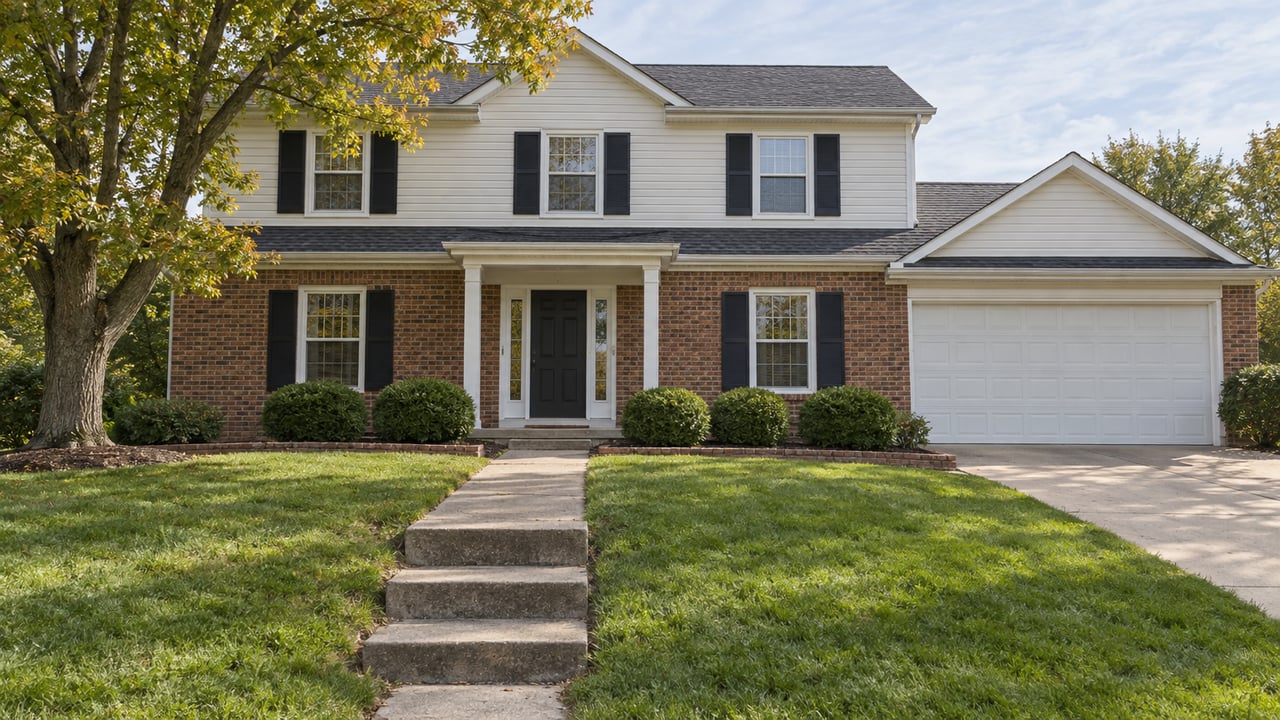
Older Gibsonia homes often reflect mid to late 20th-century plans like ranches, split-levels, and traditional colonials. Newer builds lean toward open-concept layouts with larger kitchens, taller ceilings, and a consistent level of builder finishes. If you prefer unique architecture and mature trees, older streets will likely feel more distinctive. If you want a modern layout and fewer early projects, new construction may be the better fit.
Older home inspection priorities
If you lean toward an established street, plan for a thorough inspection and be alert to common aging-home issues. Inspectors often flag items like outdated electrical, aging HVAC, galvanized plumbing, cast iron sewer laterals, roof life, and possible well or septic concerns where applicable. Review a summary of typical risks in this InterNACHI guide to older-home defects.
Homes built before 1978 can involve lead-based paint. Federal rules require disclosure of known hazards and lead-safe practices for renovations. If you plan to update, budget for testing and potential remediation. See the EPA’s notice on lead-based paint rules and enforcement for context.
New-home warranties and efficiency
Many builders provide staged warranty coverage that can reduce early ownership surprises. A common structure is 1 year for workmanship, 2 years for systems, and 10 years for major structural components. Always request and review the contract terms for the specific home. For an overview of how these programs are framed, see 2-10’s explanation of builder warranties.
New construction also benefits from current energy codes, better insulation, tighter building envelopes, and higher-efficiency HVAC. These upgrades often lower utility bills compared with older stock built to prior standards. The Department of Energy outlines key savings drivers in its efficient new homes guidance.
Budgeting for upkeep
A practical planning range is to set aside 1 to 4 percent of your home’s value per year for maintenance and repairs, with the higher end applied to older homes or those with deferred updates. This aligns with homeowner cost research and helps you prepare for big-ticket items like roofs, HVAC, and exterior work without stress.
HOAs, covenants, and taxes
HOA coverage and costs
Most new subdivisions are part of an HOA that handles shared spaces, private roads, signage, and sometimes amenities. Nationally, associations are growing as a share of new construction, and fees have been trending upward. The Community Associations Institute highlights these trends in its market outlook for community associations. In Gibsonia, always confirm the fee amount and frequency, what is covered, rules for parking and exterior changes, and whether any special assessments are planned.
Township and school taxes
Local property tax bills typically include county, township, and school district components. If you plan to model ownership costs, check the current millage on official sites. Pine-Richland School District posts financial and tax information on its budget and tax page. Your exact tax will depend on assessed value and the parcel’s municipality.
Who should choose which option
Choose established streets if you
- Value larger or more irregular lots, mature trees, and varied architecture.
- Want less likelihood of restrictive HOA rules.
- Are comfortable budgeting for near-term projects and system upgrades.
- Are open to verifying utilities and, if needed, handling well or septic maintenance.
Choose newer subdivisions if you
- Prefer modern layouts, newer systems, and lower early maintenance risk.
- Want the peace of mind of builder warranties.
- Like community amenities such as trails or play areas and accept HOA rules and fees.
- Are comfortable paying a possible price premium for new construction and efficiency.
Middle-ground option
Consider a relatively recent resale, about 3 to 10 years old, in an established subdivision. You may capture modern systems and layouts without the top-of-market new-build premium, along with a neighborhood that has settled into its long-term character.
Due-diligence checklist
Use this list to stay focused as you compare homes:
- Confirm water and sewer type with the listing and township resources. Start with Richland’s Public Sewer & Water guidance.
- If the home is older, order a full inspection and ask the inspector to focus on electrical, plumbing, HVAC age, roof, and, where applicable, lateral lines. The InterNACHI older-home guide outlines common concerns.
- For homes built before 1978, plan for lead testing and lead-safe renovation practices. Review the EPA’s lead-based paint overview.
- In an HOA, request the declaration, bylaws, financials, recent minutes, reserve study, and any pending assessments. Confirm private road maintenance obligations.
- For new construction, request the full builder warranty contract. See 2-10’s builder warranty overview for typical coverage structure.
- Build a budget that includes a 1 to 4 percent annual maintenance reserve, HOA dues if applicable, and local property taxes.
Ready to compare options in person, run the numbers, and spot value fast? Reach out to Nate Nieland to tour targeted neighborhoods, analyze total cost of ownership, and craft a confident offer strategy.
FAQs
What are the main lifestyle differences between Gibsonia’s established streets and newer subdivisions?
- Established streets offer lot variety and mature trees, while newer subdivisions deliver modern layouts, community features, and more uniform neighborhood design with potential HOA oversight.
How do HOA fees impact my total cost in Gibsonia?
- HOA dues add to monthly or annual costs but often cover common areas, private roads, and amenities. Always verify the fee amount, what it covers, and whether any special assessments are planned.
Are most Gibsonia homes on public sewer and water?
- Many newer subdivisions connect to public systems within township service areas. Select older or rural parcels can be on well and septic. Confirm utility type for each property during due diligence.
What should I budget for maintenance on an older home?
- A common planning range is 1 to 4 percent of the home’s value per year, applying the higher end to older homes or those with deferred maintenance.
What energy savings can I expect from a new build?
- New homes typically benefit from current codes, improved insulation, and efficient HVAC, which can reduce utility costs compared with older homes built to prior standards.