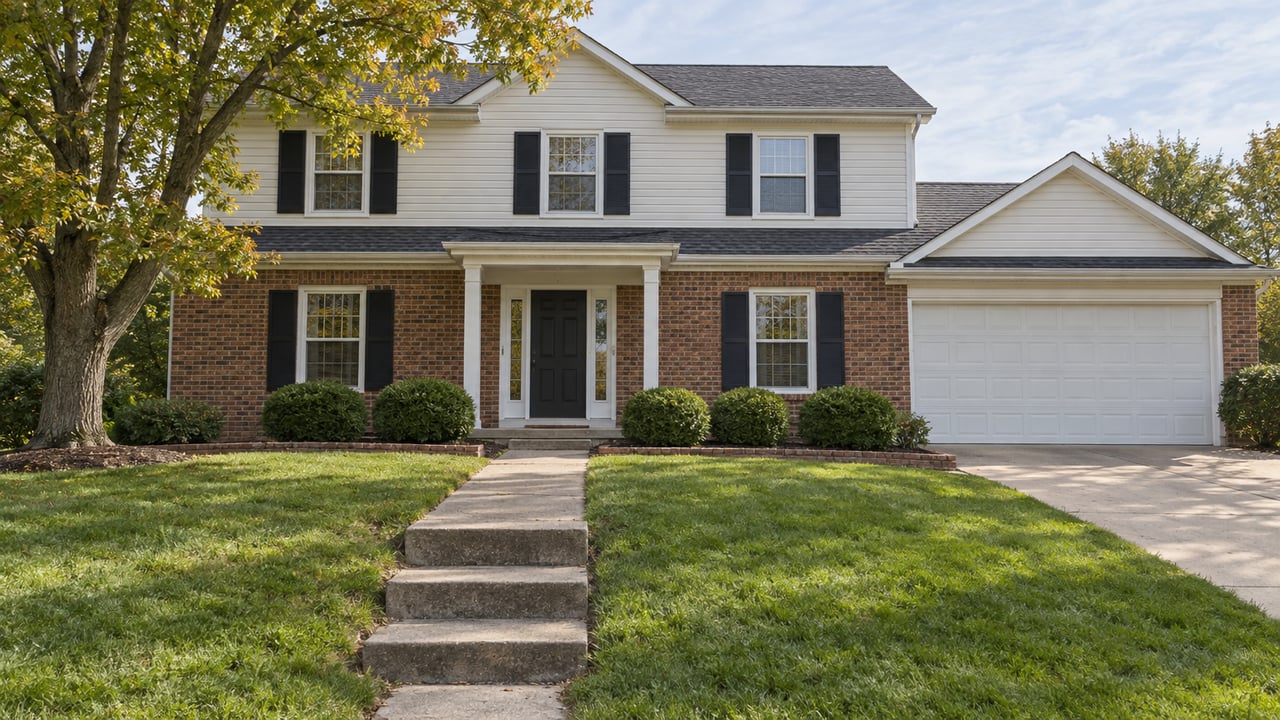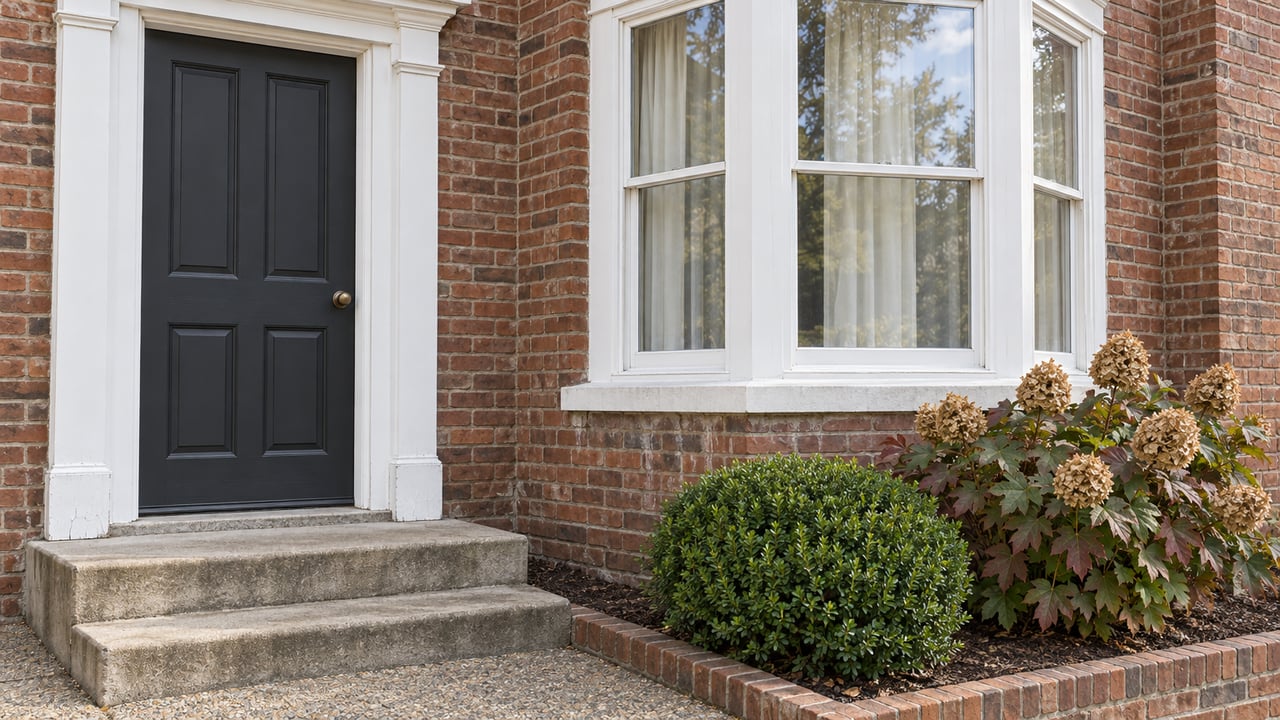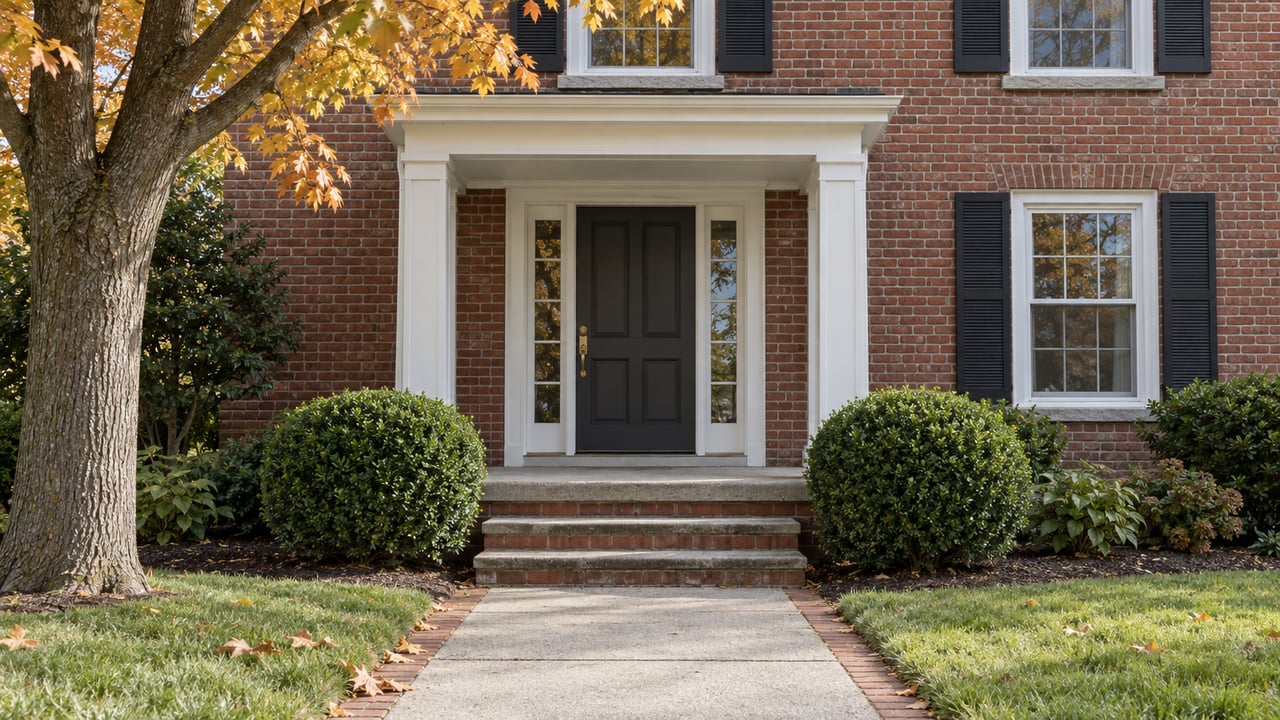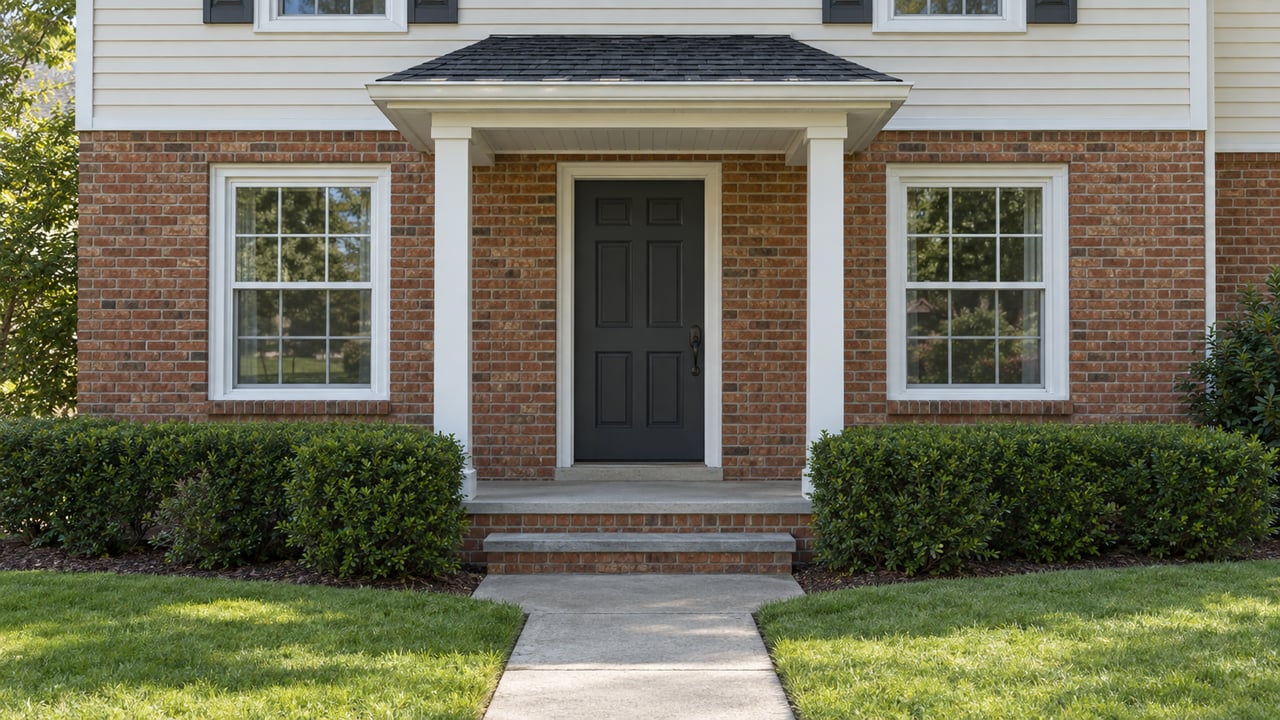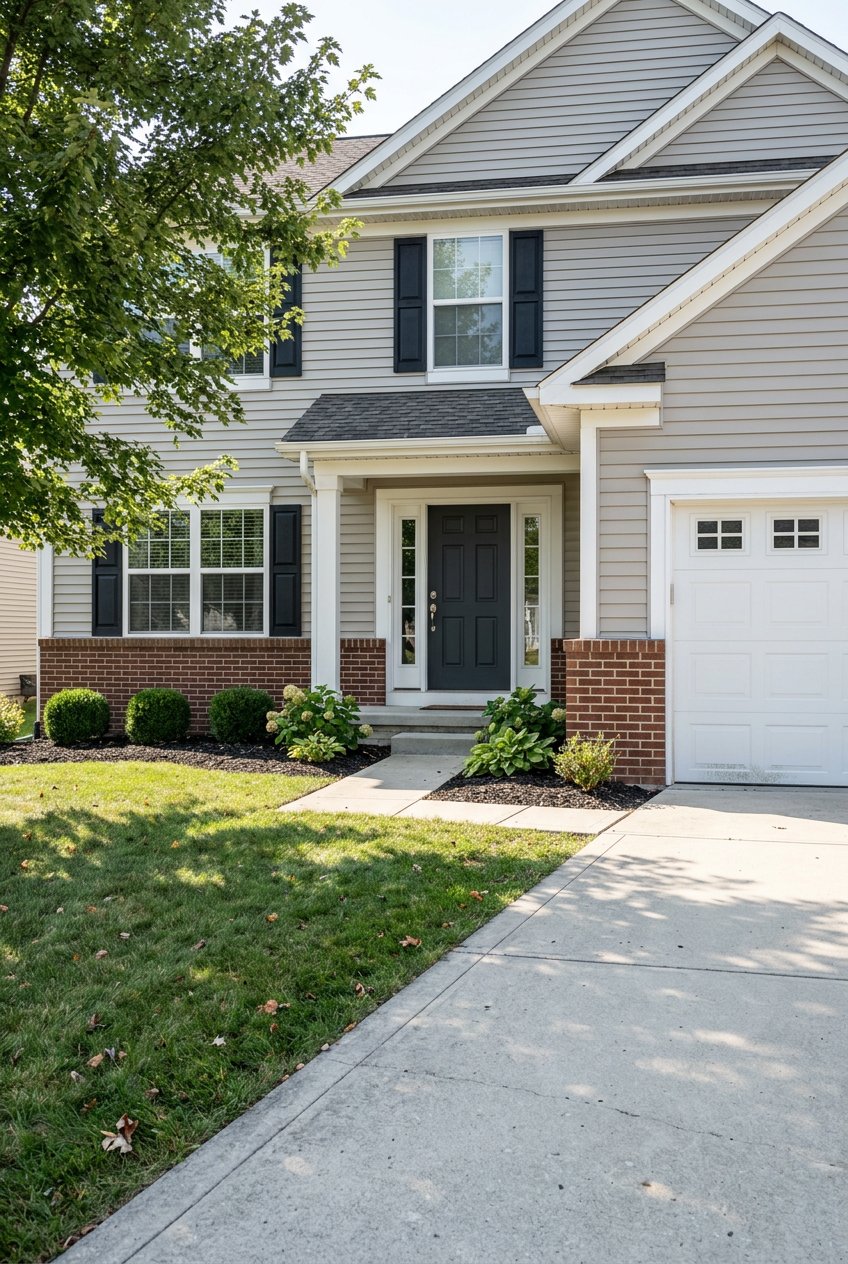
Thinking about buying in Gibsonia and wondering if it will pay off over time? You are not alone. Many buyers love the area’s suburban feel and access to Pittsburgh, while investors see steady demand but want clear numbers. In this guide, you will get local data, simple tax-and-rent math, and a clear checklist to help you decide if a Gibsonia home fits your long-term plan. Let’s dive in.
Gibsonia at a glance
Gibsonia sits about 16 miles north of downtown Pittsburgh and functions as a suburban base for regional jobs. American Community Survey profiles show higher-than-average household income compared with the metro, plus typical suburban commute times. You can review the local snapshot on the Gibsonia ACS profile.
School assignment varies by exact address. Parts of Gibsonia fall into Pine-Richland, with nearby pockets in Hampton, North Allegheny, Deer Lakes, and Mars Area. Always confirm the precise district for a given parcel using the NCES district search for ZIP 15044. Pine-Richland has been publicly recognized in regional rankings, as noted by the district’s news update on Pittsburgh Business Times rankings. Use neutral, data-based comparisons when weighing school factors.
Price trends and stability
On pricing, Gibsonia shows a common suburban pattern. Zillow’s typical home value recently hovered around the upper 400s for the area, while monthly medians can swing if only a handful of homes sell in a given month. That volatility is normal in small markets. Focus on 12 to 36 months of comparable sales rather than a single month’s median.
At the metro level, the Pittsburgh region has shown modest, positive appreciation. The FHFA House Price Index report indicates recent year-over-year gains for the Pittsburgh MSA, reflecting steady but not explosive growth. HUD’s market overview classifies the area as broadly balanced, with measured price increases and a construction pipeline that adds supply in some segments. You can see those metro dynamics in the HUD Comprehensive Housing Market Analysis for Pittsburgh.
Bottom line on price stability: Gibsonia is not a high-volatility coastal market, but month-to-month local stats can jump due to small sample sizes. Look at rolling, multi-year trends when judging long-term value.
What drives demand
- Commute and access: About 16 miles to downtown supports commuters across healthcare, education, and advanced manufacturing hubs cited in HUD’s regional review.
- Schools and amenities: Multiple districts serve Gibsonia. Many buyers prioritize assignment, so confirm exact lines before you bid.
- New construction: Recent years brought elevated permitting in parts of Allegheny and nearby counties. New homes help meet demand, yet can temper price growth in specific price bands.
These fundamentals help explain the area’s steady owner-occupant demand. For investors, they support long-run occupancy, but cash returns still depend on price, taxes, and achievable rent.
Taxes and carrying costs
Property taxes are a major driver of your true monthly cost and your rental cash flow. In Gibsonia, tax rates differ by township and school district. For example, Pine-Richland’s school millage is published at 19.5867 mills for 2024–25, and Allegheny County’s millage is 6.43. Township millages vary, with Pine Township near 0.998 and Richland Township listed at 2.696 mills. You can confirm current figures on Pine Township’s Tax Information page and in Richland Township’s FY2026 budget, then run parcel-specific numbers with the Allegheny County tax calculator.
What this means in practice: on a home near the area’s typical value, a combined county, school, and township bill can land around the low to mid teens annually. That is a big line item, often equal to a large share of gross rent. Remember, assessed value is not the same as market value, and homestead exclusions can reduce county taxes for owner-occupants. If you plan to rent the home, the homestead reduction usually does not apply.
Rental potential and cap rates
Rental listings in recent snapshots showed average asking rents near the low 2000s per month, with many 3-bed homes around the mid 2000s. Inventory is thin, so your rent will depend on condition, size, and micro-location. HUD estimates the apartment vacancy rate for the Pittsburgh area near 8.6 percent, which is a good conservative input when you model single-family rentals.
Here is a simple way to evaluate a Gibsonia rental using conservative assumptions.
Assumptions used in both examples:
- Vacancy: 8.6 percent (from HUD CHMA overview)
- Property management: 10 percent of effective gross income
- Maintenance reserve: 5 percent of effective gross income
- Insurance: estimate $1,200 per year
- Taxes: based on current county, school, and township millages for a representative township
Scenario A: Buying near typical values
- Purchase price: about $469,538
- Rent: about $2,167 per month (annual gross rent $26,004)
- Effective gross income after vacancy: $26,004 × 0.914 = $23,784
- Estimated annual taxes: about $13,482 using a representative combined millage
- Management: about $2,378; maintenance: about $1,189; insurance: $1,200
- Estimated net operating income: about $5,535
- Net cap rate: about 1.2 percent
Scenario B: Buying lower and renting higher
- Purchase price: about $347,500
- Rent: about $2,550 per month (annual gross rent $30,600)
- Effective gross income after vacancy: $27,978
- Estimated annual taxes: about $9,981 using the same combined millage rate
- Management: about $2,798; maintenance: about $1,399; insurance: $1,200
- Estimated net operating income: about $12,600
- Net cap rate: about 3.6 percent
Takeaway: Gibsonia can work for buy-and-hold investors, but net cap rates are often modest. Returns improve if you buy below market, control expenses, and achieve top-of-market rent with strong condition.
Renovation and value add
If you plan to improve a property, focus on projects that meet local buyer expectations without overbuilding. Industry summaries of Remodeling’s Cost vs. Value data show curb appeal and light interior updates often recover the most on resale. See Fixr’s overview of the latest Cost vs. Value findings to prioritize projects like entry or garage doors, siding refreshes, minor kitchen updates, paint, flooring, and landscaping.
A practical rule: match finishes to the neighborhood standard, not the luxury tier above it. In mid-priced suburbs, clean, updated, and move-in ready usually beats heavy, high-end upgrades for ROI.
Who should buy here
- Owner-occupants: You may value stability, schools, and suburban amenities. Metro-level data suggests steady appreciation over time. If you will live in the home and later sell, review the IRS guidance on excluding up to $250,000 for single filers or $500,000 for married filing jointly when you sell your primary residence. Learn more in IRS Publication 523.
- Small investors: Expect modest cash returns unless you find value-add, below-market entries, or special situations. Taxes are a large share of expenses, so precise tax modeling and realistic rent comps are key.
Risks and due diligence
- Small-sample volatility: Month-to-month medians can be noisy. Ask your agent for 12 to 36 months of comps and note sample sizes.
- Carry costs: Taxes in Allegheny County combined with school millage are significant. Use the county calculator with your parcel’s assessed value.
- Supply risk: New construction adds options for buyers, which can cap price growth in certain tiers. Reference the HUD CHMA for Pittsburgh for metro context.
Your pre-offer checklist
- Confirm the exact township and school district. Use the NCES district search for 15044.
- Pull 12 to 36 months of comparable sales. Look for outliers and condition differences.
- Estimate taxes with current millages and your parcel’s assessed value. Check Pine Township rates, Richland Township millage, and the county calculator.
- For rentals, verify actual leases and competitive properties. Model vacancy, management, maintenance, insurance, and reserves.
- For flips, compare expected resale with Cost vs. Value trends using this summary and recent local comps.
Bottom line
Is a Gibsonia home a smart long-term investment? If you are an owner-occupant who values suburban living and aims to hold for several years, the answer often leans yes. Regional data points to steady appreciation, and local amenities support demand. If you are a small investor, the numbers can work but usually require buying well, modeling taxes carefully, and targeting value-add potential.
Want a tailored walkthrough of your target street, taxes, and likely rent or resale? Let’s run the numbers together and set a strategy that fits your goals. Connect with Nathaniel Nieland LLC. to book an appointment.
FAQs
Is Gibsonia a good first-home market?
- Yes if you value suburban living, access to Pittsburgh, and steady long-term prospects. Focus on total monthly cost, school assignment, and a multi-year holding plan.
How do property taxes impact ROI in Gibsonia?
- Taxes are a large expense in Allegheny County plus school millage. Use the county calculator with your parcel’s assessed value to estimate the annual bill before you bid.
Which school districts serve Gibsonia addresses?
- School lines vary by street and township. Use the NCES district search for ZIP 15044 and confirm with the district or township before writing an offer.
Are rents strong enough to cash flow a single-family rental?
- They can be, but cap rates are often modest. Returns improve when you buy below market, control expenses, and achieve top-of-market rent with strong condition.
What is the outlook for home prices in the Pittsburgh region?
- The FHFA index shows recent year-over-year gains for the metro, and HUD classifies the market as broadly balanced. Expect steady rather than rapid growth.
What projects add the most resale value in Gibsonia?
- Cost vs. Value summaries favor curb appeal and light interior refreshes. Prioritize updates that bring the home to neighborhood standards over luxury overhauls.