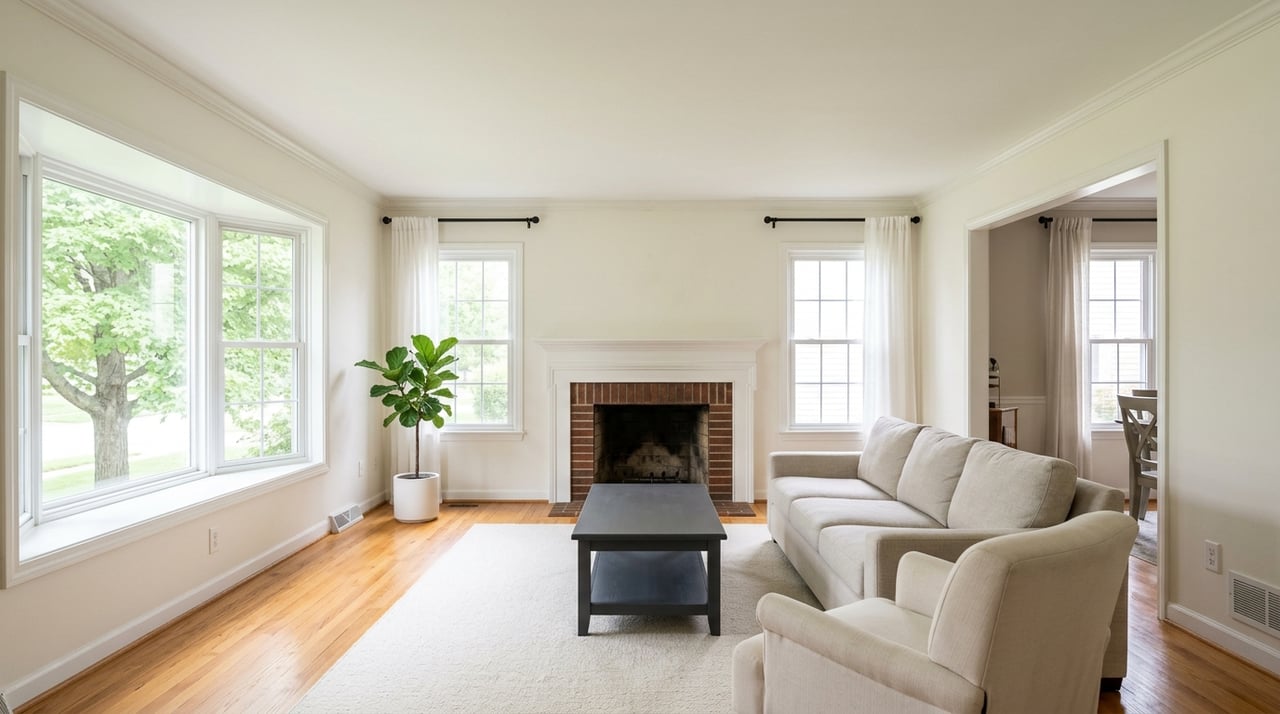
Pricing your Mt. Lebanon home can feel like a high-stakes guessing game. You want to attract serious buyers, protect your equity, and avoid leaving money on the table. The good news is that strategic pricing is not about guessing at all. It is about using the right local data, the right comparable homes, and the right plan for your timeline. Let’s dive in.
Why pricing strategy matters in Mt. Lebanon
Mt. Lebanon is not a market where one number tells the whole story. According to U.S. Census QuickFacts for Mount Lebanon Township, the township has a 72.3% owner-occupied housing rate and a median owner-occupied home value of $378,300. The municipality’s 2024 annual report also noted an average residential sale price of $439,118 across 398 sales, which shows that local values span a meaningful range.
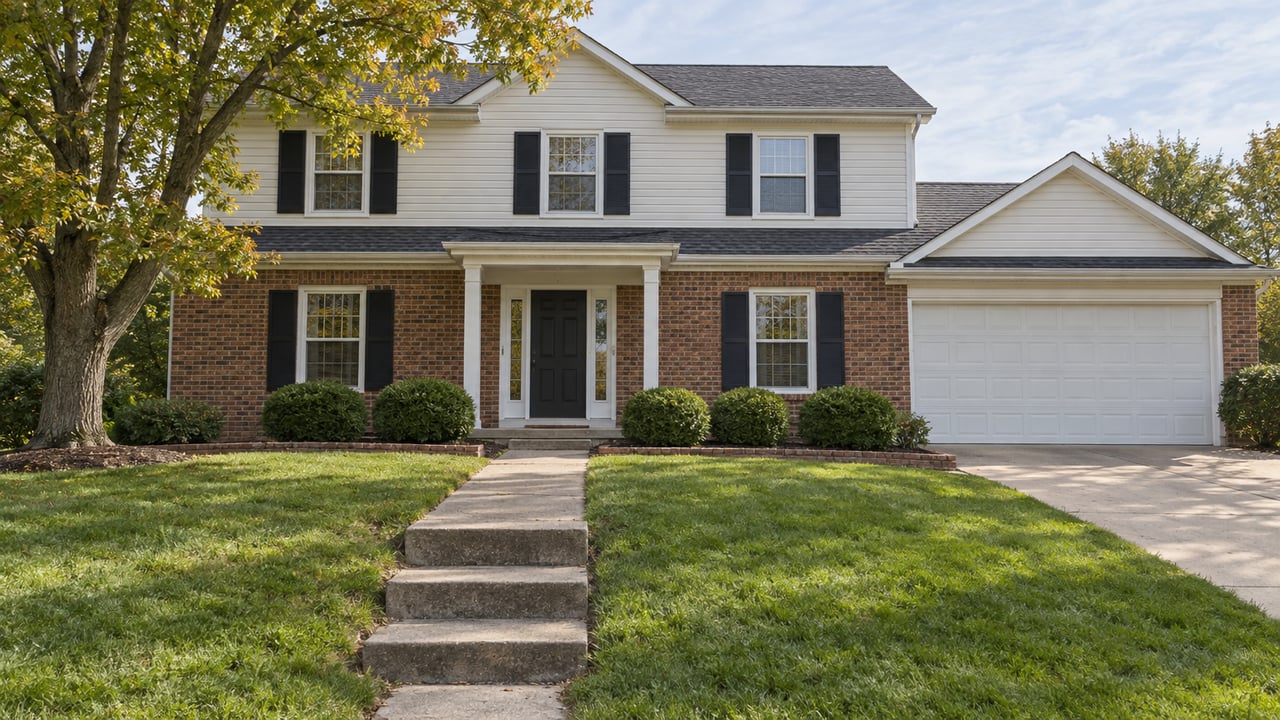
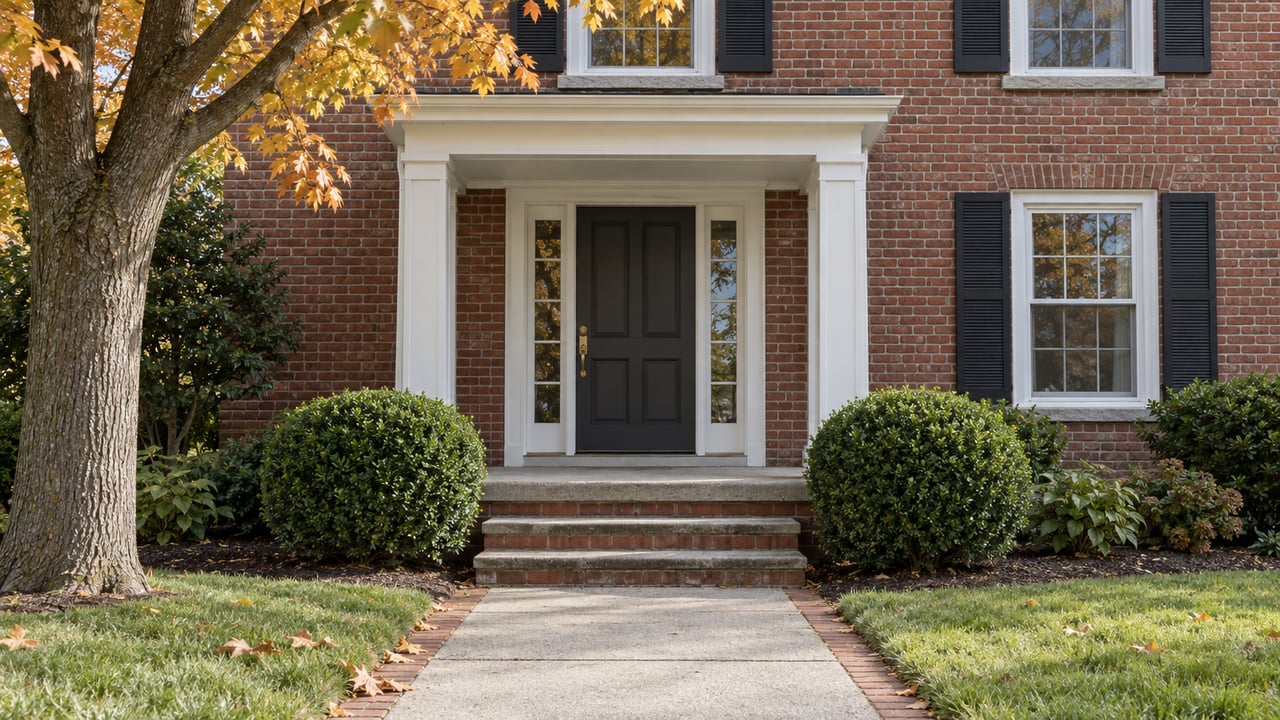
That range matters because Mt. Lebanon has varied housing styles, lot types, and neighborhood-level demand. A brick Colonial near one part of town may compete with a very different buyer pool than a Tudor, bungalow, or updated traditional home on another street. That is why pricing based on a township-wide average alone can miss the mark.
Current market snapshots point to a market where homes often sell in weeks, not days, and usually close close to list but slightly below it. Redfin’s Mt. Lebanon housing market data shows a February 2026 median sale price of $412,500, about 76 days on market, and a 98.2% sale-to-list ratio. Realtor.com’s Mt. Lebanon overview reports similar patterns, with a median listing price of $379,900, about 69 days on market, and a 98% sale-to-list ratio.
Start with comparable sales
The foundation of smart pricing is a strong comp analysis. The National Association of Realtors consumer guide on pricing a home says pricing should account for the home’s size, location, amenities, condition, current market conditions, and your timeline. It also explains that comparable homes should include similar nearby properties that are recently sold, under contract, or currently active.
For a Mt. Lebanon seller, that means your list price should begin with the most similar sales in your micro-market. A broad township average or an online estimate can be a reference point, but it should not be the pricing strategy. If your home is on a street with a distinct style, lot pattern, or walkability profile, that local context matters.
Fannie Mae’s comparable sales guidance reinforces this point. It notes that sales from the same neighborhood are the best indicator of value, that at least three closed comparables should be used when possible, and that active and under-contract listings can support the analysis. When homes are not identical, value should be adjusted based on market-supported differences rather than assumptions.
Focus on the micro-market
Mt. Lebanon is not one uniform housing market. It is a collection of smaller micro-markets shaped by architecture, lot characteristics, condition, and buyer demand. Realtor.com describes the area as a mix of residential neighborhoods with parks, transit access, and a walkable town center, which supports the idea that demand can vary meaningfully within the township.
That is why a strategic price should be built from nearby, truly similar homes. The municipality provides historic property information and local mapping tools, including neighborhood and zoning resources that can help narrow the most relevant comparison set. The more precisely you define your competition, the stronger your pricing position will be.
Account for style and character
In Mt. Lebanon, architectural character can influence value more than it does in many newer suburban markets. The township’s historic properties page notes that the National Register Historic District includes about 4,400 properties and highlights common local styles such as Tudor, Colonial Revival, Bungalow, Foursquare, Dutch Colonial, and French Provincial.
That means style is not just cosmetic. Buyers may respond differently to original details, masonry, porches, windows, rooflines, and overall historic character. Properly done repairs, additions, or changes can enhance value, but pricing should reflect how your home compares with other homes of similar style and condition, not just similar square footage.
If your home has updates, documentation matters too. Mt. Lebanon notes that permits are required before construction, alteration, replacement, or repair of an existing structure. Permitted, documented improvements are easier to support in a pricing conversation than vague claims about upgrades.
Build a pricing range, not just a number
One of the best ways to think about pricing is as a supported range rather than a single magic number. The NAR pricing guide explains that sellers who want to move quickly may price more competitively, while sellers with more flexibility may choose a higher asking price. It also notes that market conditions may justify a lower list price in some cases.
In practical terms, your strategic range may look like this:
- Lower end of the range: Best if speed and strong early interest are top priorities.
- Middle of the range: Often the best fit for homes that align closely with recent nearby sales.
- Upper end of the range: Best reserved for homes that clearly outperform nearby comps in condition, updates, lot, or location.
This approach fits current Mt. Lebanon conditions. Redfin’s data suggests many homes are closing near 98% of list price, while some especially desirable homes still sell above list and move faster. The takeaway is simple: if your home is not clearly better than the competition, listing well above the comp-supported range may reduce showing activity more than it increases your final sales price.
Match price to your timeline
Your timing goals should shape your pricing plan. If you need to coordinate a move, reduce carrying costs, or avoid a long listing period, a more competitive price may be the right strategy. If you have more flexibility and your home offers standout features, you may have room to test the upper end of the range.
That does not mean overpricing. It means choosing a list price that makes sense for both the market and your goals. A pricing strategy should support your ideal balance between time on market and expected net result.
Watch the market response after listing
Pricing does not stop the day your home goes live. Once your property is on the market, buyer response gives you useful feedback. The NAR guide notes that agents may recommend lowering the asking price when current market conditions support that move.
In Mt. Lebanon, local benchmarks can help you gauge whether your listing is performing normally. Realtor.com reports about 69 days on market, and Redfin reports roughly 77 days on market with sale-to-list ratios near 98%. Those figures are not strict rules, but they provide context.
If your home is moving materially slower than similar nearby listings, it may be time to reassess. The issue may be price, presentation, condition, or how your property compares with active competition.
Signs it may be time to revisit price
A price adjustment should be based on evidence, not frustration. Common signals include:
- Low showing activity compared with similar listings
- Few or no offers after a reasonable market exposure period
- Buyer feedback that consistently points to value concerns
- An appraisal below contract price, which the Consumer Financial Protection Bureau explains can be strong evidence that the agreed price was above market value
When that happens, the best next step is to review fresh nearby sales, compare your home to current active competition, and revisit any condition or upgrade assumptions. A strategic adjustment can protect your momentum better than waiting too long.
What strategic pricing looks like in practice
In Mt. Lebanon, the strongest pricing plan usually follows a simple sequence:
- Study recent nearby sold homes that are truly comparable.
- Review active and pending listings to understand today’s competition.
- Adjust for condition, lot, style, and updates instead of relying on averages.
- Choose a pricing range that fits your timeline and goals.
- Watch early market response and adjust if the evidence calls for it.
This kind of plan is especially important in a township with varied architecture, established neighborhoods, and meaningful block-by-block differences. A finance-driven, neighborhood-specific pricing strategy can help you make a more confident decision from day one.
If you are thinking about selling in Mt. Lebanon, the right pricing conversation should be detailed, local, and grounded in real comps. That is where analytical strategy and neighborhood insight work best together. If you want a tailored look at your home’s likely price range and competitive position, connect with Nathaniel Nieland LLC. for a personalized consultation.
FAQs
How should you price a home in Mt. Lebanon Township?
- You should start with recent comparable sales in your immediate micro-market, then adjust for condition, style, lot, updates, and current competition rather than relying on a township-wide average or online estimate alone.
What is the current home price trend in Mt. Lebanon?
- Recent data in the research report places Mt. Lebanon home values generally in the high-$300,000s to low-$400,000s, with homes often selling near 98% of list price after roughly 69 to 77 days on market.
Why do comparable sales matter when pricing a Mt. Lebanon home?
- Comparable sales matter because Mt. Lebanon has varied housing styles, neighborhood-level demand, and a wide value range, so the most similar nearby homes usually provide the best support for an asking price.
Should you price a historic-style Mt. Lebanon home differently?
- Yes. Historic-style homes should be priced with close attention to architectural character, condition, originality, and the quality of repairs or updates, especially when comparing them with homes of similar style.
When should you lower the price of a Mt. Lebanon listing?
- You may need to revisit price if showing activity is weak, offers are not coming in, buyer feedback suggests value concerns, or an appraisal comes in below the contract price.