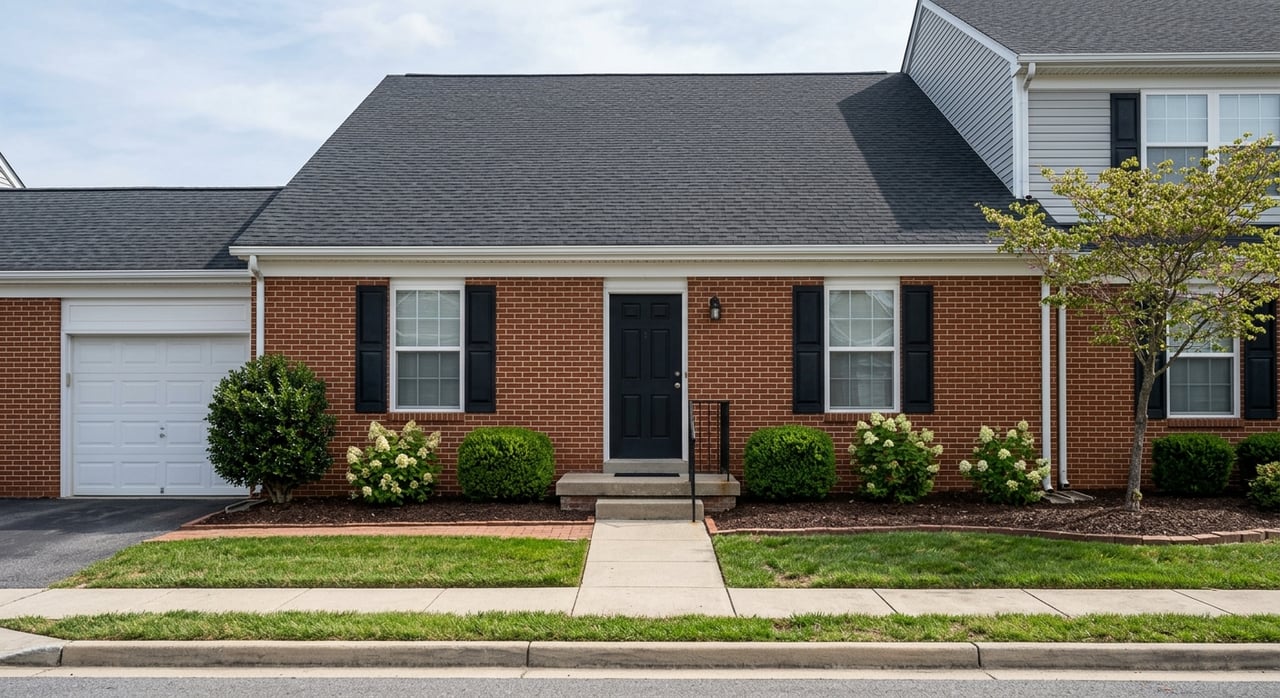
Thinking about a move to Pittsburgh? One of the biggest surprises for newcomers is how much your day-to-day experience can change from one area to the next. In a city shaped by hills, bridges, rivers, and distinct neighborhood identities, choosing the right area is less about picking a spot on a map and more about finding the right fit for your commute, budget, housing style, and lifestyle. This guide will help you narrow your options and research Pittsburgh more confidently before you make a move. Let’s dive in.
Why area choice matters in Pittsburgh
Pittsburgh is a compact city with about 300,000 residents spread across 90 neighborhoods within 58 square miles, according to the City of Pittsburgh comprehensive planning overview. That density of neighborhoods creates a lot of variety in a relatively small footprint.
What makes Pittsburgh especially unique is its terrain and transportation layout. The city includes the 33-mile Three Rivers Heritage Trail, over 800 public staircases through its City Steps network, and travel patterns shaped by corridors, hills, and river crossings. A neighborhood that looks close online may feel very different once you factor in bridges, elevation, and your actual route.
That is why relocation decisions here are unusually location-specific. In many cases, the best area for you is the one that balances how you live every day, not just how far you are from Downtown.
Start with your commute
In Pittsburgh, commute planning usually works better by corridor than by distance. If your job, school, or regular routine centers on Downtown, Oakland, the East End, the South Hills, or an outer suburb, your area shortlist should reflect how you will actually move through the city.
Pittsburgh Regional Transit operates bus, light rail, incline, and paratransit service, with more than 60 million rides a year. The region is also advancing the Downtown-Uptown-Oakland-East End bus rapid transit project, which highlights how important major travel corridors are when comparing locations.
If you want a more data-based starting point, the city’s Neighborhood Snapshots connect you to Census OnTheMap and other tools that help show commuting patterns by geography. That can give you a better sense of real-world travel patterns than simple mileage.
Questions to ask about commute fit
- Where will you go most often each week?
- Do you plan to drive, use transit, bike, or mix methods?
- Will bridges, tunnels, or steep streets affect your routine?
- Are you looking for a car-light or car-free lifestyle?
- Does your schedule require a predictable route during peak hours?
If you are relocating from out of state, this is one of the easiest places to misjudge Pittsburgh. A short distance on a map does not always mean a simple trip in daily life.
Compare housing costs by neighborhood
One of the most helpful things to know before relocating is that Pittsburgh pricing varies a lot by area. Citywide figures offer a useful baseline, but they do not tell the whole story.
According to Census QuickFacts for Pittsburgh, the median owner-occupied home value is $205,800, median gross rent is $1,261, and median monthly owner costs with a mortgage are $1,472. Those numbers are helpful for orientation, but neighborhood-level pricing can look very different.
The research report shows recent neighborhood examples ranging from about $80K in Hazelwood to around $180K in South Side, about $276K in Downtown, roughly $396K in Central Lawrenceville, and around $460K in East Liberty. That spread is a strong reminder that you should evaluate Pittsburgh one area at a time instead of assuming one citywide price point applies everywhere.
Why housing stock matters too
Price is only part of the equation. Your budget should also account for the type and age of housing you are considering, along with any likely updates or maintenance.
In Pittsburgh, comparing areas often means comparing different housing styles, renovation expectations, and monthly ownership costs. For many buyers, especially first-time buyers and relocation clients, it helps to look at both purchase price and the practical realities of living in the home and on the block.
The city is also in the middle of a broader housing policy transition. On the City of Pittsburgh housing and zoning page, you can review information on inclusionary zoning, accessory dwelling units, parking reform, and other policy changes that may shape future housing options in certain areas.
Match the area to your lifestyle
Once your commute and budget are clear, the next step is to think about how you want your day-to-day life to feel. Some areas offer easier access to trails and bike connections. Others may be more park-oriented or more urban in rhythm.
The city maintains nearly 3,800 acres across 176 parks, which gives you a lot of ways to compare access to green space and recreation. The Three Rivers Heritage Trail is also a major feature for both recreation and active transportation.
For a deeper look, the Neighborhood Snapshots point users to tools like the city steps dashboard, crash data, community garden map, Child Opportunity Index, and POGOH bike map. These tools can help you evaluate everyday factors like trail access, street conditions, bike connections, and local amenities.
Lifestyle filters to use
- Park and trail access
- Transit and bike-share coverage
- Walkability for daily errands
- Street slope and stair access
- Parking availability
- Access to outdoor recreation
- Overall fit with your weekly routine
The goal is not to find the “best” neighborhood in general. It is to find the area that best supports how you want to live.
Research Pittsburgh from out of state
If you are planning your move remotely, Pittsburgh is a city where layered research really matters. Online maps are useful, but they do not always show how a street feels, how steep a route is, or how traffic patterns affect a commute.
The best place to start is the city’s Neighborhood Snapshots tool, which packages comparable data across all 90 neighborhoods. The city notes that these fact sheets draw from Census data, OnTheMap, the Child Opportunity Index, and multiple local dashboards.
That said, the city also notes that neighborhood boundaries do not always line up perfectly with census geography. So while snapshots are excellent for comparison, they are not a substitute for block-by-block review.
A smart remote research process
- Review official neighborhood snapshots for baseline data.
- Check transit options and likely commute corridors.
- Use virtual tools to study streets, topography, and access points.
- Compare actual drive times and transit routes, not just distance.
- Narrow your list to a few areas that match your priorities.
- Use live video walkthroughs or in-person tours to verify details.
This process matters even more in Pittsburgh because geography can change your experience quickly. The City Steps program is one example of how the city’s layout can shape everyday movement in ways a basic map will not fully capture.
What a local agent can verify
Online research can get you far, but it cannot show everything. The city’s own neighborhood snapshot project points out that not all topics are available at the neighborhood scale and that some conditions cannot be captured cleanly through public datasets alone.
That is where a local, neighborhood-focused agent adds value. Once you have a shortlist, you still need help verifying the things that matter in real life, like block-by-block condition, parking patterns, slope, street noise, renovation tradeoffs, and whether a location truly fits your routine.
For relocation clients, that translation step is often the difference between liking an area online and feeling confident about it in person. A strong local guide helps you move from broad research to a realistic shortlist and then confirms what listing photos and dashboards cannot.
Build your shortlist the right way
If you are relocating to Pittsburgh, try to compare areas through four simple filters:
- Commute: How will you actually get where you need to go?
- Budget: What does your price range buy in each area?
- Housing stock: Are you looking for move-in-ready, older charm, or renovation potential?
- Lifestyle: Do you want trail access, parks, transit convenience, or a more urban routine?
This approach works because Pittsburgh rewards neighborhood-level decision-making. With strong local identities, wide pricing differences, and daily travel shaped by topography and infrastructure, the right area is usually the one that balances your priorities in one place.
If you want help narrowing your options, Nathaniel Nieland LLC. offers neighborhood-focused guidance for buyers and relocation clients across Pittsburgh and nearby communities.
FAQs
What makes choosing the right area in Pittsburgh different from other cities?
- Pittsburgh has 90 neighborhoods, major elevation changes, river crossings, and corridor-based travel patterns, so your daily experience can vary a lot from one area to another.
What should you research before relocating to Pittsburgh from out of state?
- Start with the city’s Neighborhood Snapshots, then compare commute routes, transit access, topography, and block-level details through virtual tools and live walkthroughs.
How much can home prices vary across Pittsburgh neighborhoods?
- Pittsburgh home prices can vary widely by neighborhood, with examples in the research report ranging from about $80K in Hazelwood to around $460K in East Liberty.
What is the best way to evaluate a Pittsburgh commute?
- Focus on your actual destination and travel corridor rather than miles alone, and compare likely drive times or transit options based on your weekly routine.
Why is local guidance helpful when choosing a Pittsburgh neighborhood?
- A local agent can help verify things public data may miss, such as parking, slope, street noise, block-by-block feel, and how a location functions in everyday life.