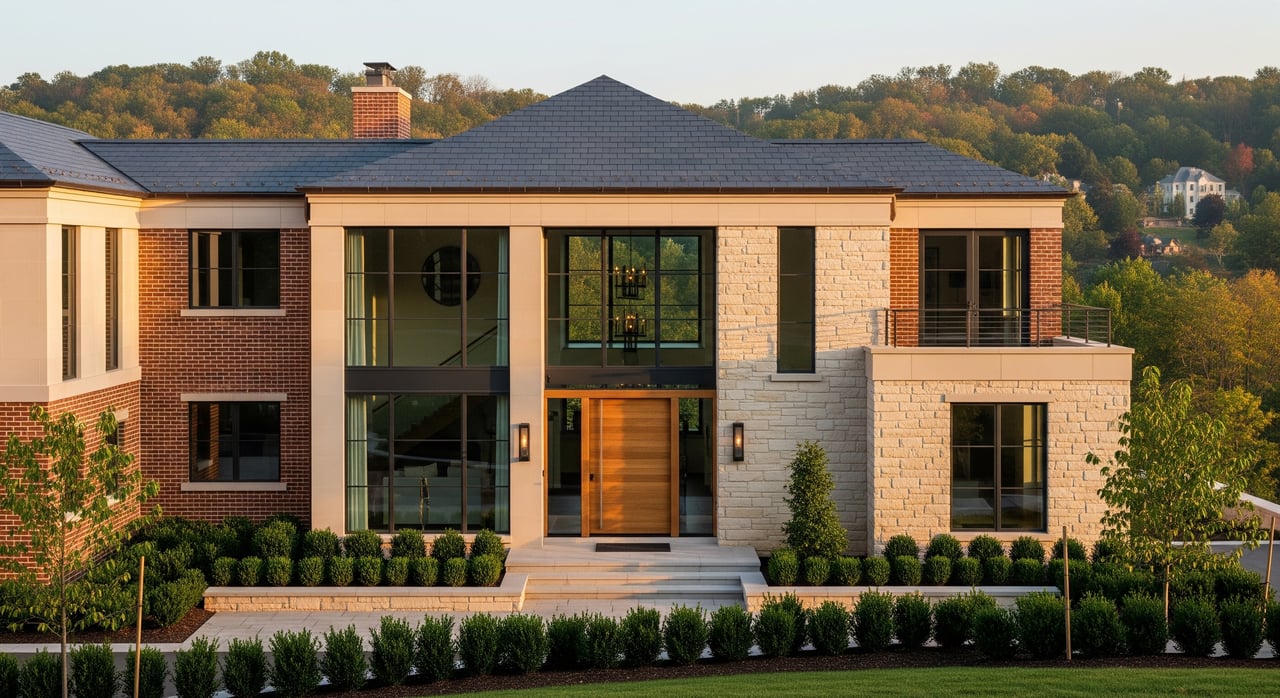
Should you buy a brand-new home or a well-kept resale in Ross Township? It is a big choice, and both paths can work well depending on your timing, budget, and comfort with construction. You want a home that fits your life and your numbers without surprises.
In this guide, you will learn how new construction and resale homes compare on cost, timelines, warranties, HOAs, financing, inspections, energy features, and long-term ownership. You will also get a simple decision checklist and the exact questions to ask builders and sellers. Let’s dive in.
Ross Township snapshot: how to get real numbers
You will see headlines about price-per-square-foot and days on market, but Ross Township data changes with seasons and inventory. To make a sound decision, ask for a current, local data pull. Here is what to request:
- Median sale price, median price per square foot, and days on market for single-family homes in Ross Township over the last 6 to 12 months. If possible, separate recent new-build closings from older resales.
- A count of active new-construction listings, spec homes, and available lots in Ross Township and nearby areas.
- Recent single-family building permits from the Ross Township building and zoning office or Allegheny County records.
- HOA details for active communities in Ross Township, including fee ranges and what those fees cover.
- Notes on Allegheny County property assessment for new construction, including how reassessment may affect your taxes after closing.
A local MLS pull, township permitting updates, and county assessment guidance will give you a clear, current picture before you choose.
Price and true up-front cost
New construction often lists higher per finished square foot than comparable resale because of modern systems, builder costs, and lot premiums. Resale may offer more space for the price and room to negotiate, but it can require updates.
Consider the full price picture:
- Lot premiums and site work. Preferred lots and extra site costs can add to the base price for a new build.
- Upgrades and options. The base price is not the final price. Cabinets, counters, flooring, lighting, HVAC upgrades, and finished basements add up.
- Closing costs. Builders sometimes structure closing costs differently, and you may see impact or subdivision fees. On resales, you may negotiate credits for repairs.
- Immediate out-of-pocket costs. New homes may need landscaping, window treatments, or fencing. Resales may need roof, HVAC, or window updates sooner.
Focus on total cost of ownership, not just the sticker price.
Timeline and move-in certainty
Your timing may be the biggest driver of this decision.
- Spec homes. If a builder has a home already under construction or finished, you can often close in weeks to a few months.
- Semi-custom or build-to-suit. Plan for about 4 to 9 months from groundbreaking, depending on builder, size, and the site.
- Fully custom. Timelines can range from 6 to 12 months or longer.
Common delay factors include weather, municipal inspections, utility connections, subcontractor schedules, supply chain issues, and change orders. Ask for a realistic schedule and how delays are handled in the contract.
Warranties and protection
Most builders offer a warranty structure that may include:
- First-year coverage for workmanship and materials.
- Intermediate coverage for major systems like HVAC, plumbing, and electrical for a set period.
- Long-term structural coverage, often marketed as a 10-year structural warranty.
Read the warranty closely. Coverage varies, and many items considered maintenance may be excluded. Ask if the structural coverage is backed by a third party, how to file claims, the timelines to report issues, and whether the warranty is transferable. For resale homes, a seller-paid home warranty is not the same as a builder’s structural warranty and typically lasts one year.
HOAs and community rules
Newer subdivisions in Ross Township often have HOAs. Older neighborhoods may or may not.
- Fees and coverage. HOA fees can fund common area landscaping, snow removal, amenities, and private road maintenance. Some communities also include exterior maintenance. Fees vary.
- Covenants and restrictions. Rules can govern exterior materials, paint colors, fencing, parking, and rental policies. These affect your flexibility and future resale.
- Developer control. Early in a new community, the developer may control the HOA and set the rules and fees. Ask when homeowner control begins.
Review the covenants, conditions, and restrictions, the current fee schedule, reserves, and any special assessment history before you commit.
Financing, appraisal, and closing differences
Financing can look different for new construction than for resale.
- Loan structure. New builds may use construction-to-permanent financing or a builder’s preferred lender. There may be incentives if you use that lender. Confirm the true net cost if incentives are tied to rate or fees.
- Appraisals. With few comparable new sales, appraisers may rely on cost and distant comps. For resales, nearby comps are common, but low inventory can still create appraisal gaps.
- Requirements. Some loan types, including FHA and VA, have specific rules for new builds. Make sure your lender handles new construction in Allegheny County regularly.
Ask your lender about draw schedules, inspections before converting to a permanent loan, interest during construction, and how appraisal shortages are handled.
Inspections and punch lists
You should inspect both new and resale homes.
- Resale. Hire an independent inspector. Use findings to request repairs or credits.
- New construction. Builders typically do internal inspections and a final walk-through with a punch list. Still hire an independent inspector. Consider phase inspections such as pre-drywall, mechanical rough-in, and final. This helps catch issues that may not be visible later.
Document punch list items in writing and know how they will be addressed before and after closing.
Energy performance and codes
New homes generally meet current building codes and often include more efficient HVAC, insulation, windows, and appliances. Some builders offer ENERGY STAR or higher-performance packages. Ask for any energy certifications, a HERS score if available, and details on insulation levels and air sealing practices.
Resale homes vary. Many older homes perform well after targeted upgrades like air sealing, insulation, window improvements, and modern HVAC. Factor upgrade costs into your plan.
Maintenance and long-term ownership
New construction can reduce maintenance in the early years thanks to new systems and warranty coverage. You may still spend on lawn establishment and landscaping. New neighborhoods also take time to mature.
Resales can need more near-term maintenance but often offer established streetscapes and mature trees. Build a 5 to 10-year maintenance budget that includes roofs, windows, HVAC, and exterior surfaces.
Total ownership cost should include mortgage, property taxes, insurance, utilities, HOA fees, and planned capital items. For new construction in Allegheny County, ask when reassessment occurs and how that may change your annual taxes.
Decision framework: choose with confidence
Quick decision checklist
- Timing. Do you need to move within 1 to 2 months? Consider resale or a near-finished spec. Can you wait longer? A build-to-suit may fit.
- Budget flexibility. Does your budget allow for upgrades and lot premiums beyond the base price? If not, resale may deliver more value.
- Tolerance for uncertainty. Are you comfortable with potential construction delays and change orders? If not, a completed home lowers risk.
- Maintenance appetite. Do you prefer minimal maintenance for the next few years? Newer systems and warranties help. Do you enjoy updating a home? Resale can be a good match.
- Long-term plans. Consider neighborhood maturity, HOA rules, and future development that could affect resale value and lifestyle.
Questions to ask builders
- What is included in the base price, and what are typical upgrade costs for kitchens, flooring, lighting, and HVAC?
- What is the lot premium and what site work is included or extra?
- Can I review the full contract and all warranty documents before signing? Who handles warranty repairs, and are warranties transferable?
- What is the expected build timeline, and what happens if you miss the completion date? How do you handle weather or municipal delays?
- Can I select finishes? How are change orders priced and approved?
- Who are your trade partners, and can you provide recent references or nearby homeowners to contact?
- Do you offer incentives tied to a preferred lender? What are the true net costs?
- Are there HOA covenants or deed restrictions? When will homeowners take over the HOA from the developer?
- Can you share recent close dates for similar homes in Ross Township and a summary of typical warranty claims and response times?
Questions to ask resale sellers
- How long have you owned the home, and what repairs or upgrades have you completed?
- Are there known issues with the roof, foundation, HVAC, plumbing, electrical, drainage, or water intrusion?
- Can you provide service records for major systems and appliances?
- Have there been any insurance claims, easements, or property disputes?
- Are there known plans for nearby development or road work that could affect the property?
When to bring in specialists
- Independent home inspector, even for a brand-new home.
- Real estate attorney, especially for builder contracts with complex clauses.
- Construction consultant or architect for custom builds or major renovations.
- Lender with construction-to-permanent experience for new builds.
Next steps in Ross Township
Your best option comes down to priorities. If you want immediate move-in with less uncertainty, a well-maintained resale or nearly finished spec may be ideal. If you want low maintenance for years and modern systems, new construction can be worth the premium when the timeline and warranty terms fit.
Ask for a fresh Ross Township market snapshot, review HOA and warranty documents early, and compare total ownership costs, not just the purchase price. If you want help weighing trade-offs, connecting with lenders and inspectors, and negotiating with builders or sellers, reach out to a trusted local advisor.
Ready to compare options or schedule tours? Connect with Nate Nieland for local guidance tailored to your goals.
FAQs
What should first-time buyers compare in Ross Township when choosing new vs resale?
- Compare total cost of ownership, not just list price: upgrades, lot premiums, HOA fees, likely maintenance, property tax reassessment for new construction, and utility costs.
How do property taxes work on new construction in Allegheny County?
- New construction commonly triggers reassessment that can change your annual taxes; confirm timing and method with the county and review estimates with your agent and lender.
Are HOAs common in Ross Township’s newer communities?
- Many newer subdivisions include an HOA with fees that cover common areas and sometimes exterior upkeep; older neighborhoods may not have HOAs, so review documents before you buy.
Can I negotiate price on new construction compared to resale?
- Builders may have less base price flexibility but can offer incentives or credits, especially on spec homes; resales often allow negotiation based on condition and days on market.
Do I still need a home inspection for a brand-new house?
- Yes. Hire an independent inspector and consider phase inspections to catch issues during construction and a final inspection to build a thorough punch list.