Ever wish you could step out your front door and walk to coffee, dinner, a park, or the light rail without giving up the comfort of a suburban neighborhood? That is a big part of what draws people to Mount Lebanon. If you are thinking about moving here, or simply want to understand why this community stands out, this guide will show you how Mt. Lebanon’s layout, business districts, parks, and housing all work together to create its walkable, small-town feel. Let’s dive in.
What gives Mt. Lebanon its small-town feel
Mount Lebanon describes itself as a true walking community, and that identity shows up in everyday life. The township highlights miles of sidewalk-lined streets, mature trees, trails, gardens, and recreation facilities across a community of more than 34,000 residents and more than 14,000 homes.
That combination matters because walkability is not just about one busy street. It is about having connected neighborhoods, pleasant streetscapes, and destinations that feel easy to reach. In Mt. Lebanon, those pieces come together in a way that feels active, convenient, and rooted in place.
Uptown anchors daily life
Washington Road, often called Uptown, serves as Mt. Lebanon’s central business district. The township identifies 41 commercial properties between 733 and 600 Washington Road, giving the area a traditional town-center setup rather than a spread-out suburban strip.
That format helps create a strong sense of place. Instead of driving from one isolated errand to the next, you can picture a more connected routine where shops, services, and dining are grouped together in a walkable core.
A built-up, local business mix
A municipal standards-of-cover report describes Uptown as one of the more built-up central business districts outside Pittsburgh. It notes numerous coffee shops, small galleries, pizzerias, and clothing boutiques, which supports the kind of main-street atmosphere many buyers are hoping to find.
For you, that can translate into simpler daily routines and more spontaneous outings. A neighborhood feels different when grabbing coffee, meeting a friend, or picking up a few items does not always start with a long drive.
Streetscape updates improved the experience
The township’s Vibrant Uptown project added sidewalks, lighting, planters, seating, accessibility improvements, and placemaking features. Those upgrades were designed to make Uptown a brighter, more accessible destination for dining, shopping, arts, entertainment, and services.
This kind of public investment often shapes how a place feels day to day. Wider pedestrian support, better lighting, and added seating can make a business district feel more inviting, whether you are running errands or spending time there on purpose.
Beverly Road adds neighborhood-scale charm
Beverly Road is the township’s second commercial corridor, and Mt. Lebanon describes it as one of its most walkable neighborhoods. Compared with Uptown, Beverly Road is smaller in scale, which can make it feel especially woven into nearby residential blocks.
The same municipal report that describes Uptown also notes that Beverly Road includes restaurants and retail. That gives residents another destination for everyday convenience, while reinforcing the idea that Mt. Lebanon’s walkable appeal is not limited to just one part of town.
Walkability does not mean giving up convenience
One reason Mt. Lebanon appeals to a wide range of buyers is that its pedestrian-friendly layout does not ignore practical needs. You can enjoy a more walkable lifestyle while still having car support when you need it.
The township says there are more than 1,000 public parking spaces in and around its business districts. That includes two multilevel garages at each end of Washington Road, along with metered street parking, surface lots, and merchant validation.
For many households, that balance is ideal. You may want the option to walk to dinner or transit, while still having easy parking for visitors, errands, or days when driving simply makes more sense.
Parks make the community feel lived-in
A walkable town feels even stronger when public spaces are part of daily life, and Mt. Lebanon has a substantial parks system. The township says it has 16 parks, with hiking trails, playgrounds, sports courts, and tree canopy that add to the community’s established, neighborhood feel.
These spaces do more than provide recreation. They help create the rhythm of local life by giving you places to walk, gather, exercise, and spend time outdoors close to home.
Main Park is a major local asset
Mt. Lebanon Park, also called Main Park, is the township’s flagship park. It includes fields, picnic pavilions, basketball and bocce courts, indoor ice rinks, platform tennis, a playground, sand volleyball, a pool, and a racket center.
For buyers comparing suburbs, this matters because amenities shape how a community functions beyond the house itself. A neighborhood can feel more complete when outdoor space, recreation, and community activity are built into the area.
Transit supports a car-light lifestyle
If you are wondering whether you can live in Mt. Lebanon without driving everywhere, transit is a big part of the answer. Pittsburgh Regional Transit serves the township with service to Station Square, Downtown Pittsburgh, and the North Shore.
The municipality says Mt. Lebanon sits along several red-line stops, and Mt. Lebanon Station is accessible from Washington Road by Parse Way stairs or elevator. Bus routes 36, 38, and 41 also serve the township, and the Mt. Lebanon park-and-ride has 24 spaces with peak-hour service about every 12 minutes.
That does not mean every household will go car-free. It does mean that if you value commuting options or want to reduce how often you drive, certain parts of Mt. Lebanon can support that goal better than many suburban communities.
Housing matches the neighborhood character
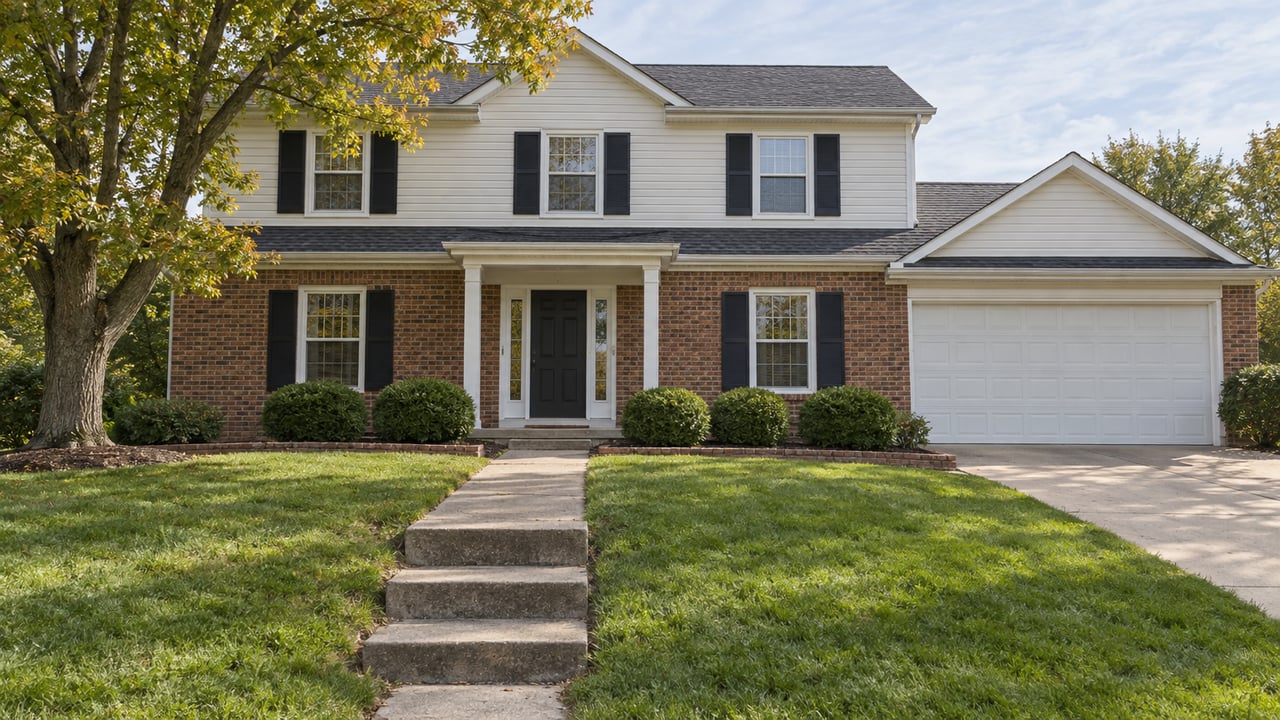
Mt. Lebanon’s small-town feel is also tied to its housing stock. The township says there are more than 14,000 homes here, and its Historic Properties information notes that 4,400 properties sit within the National Register Historic District.
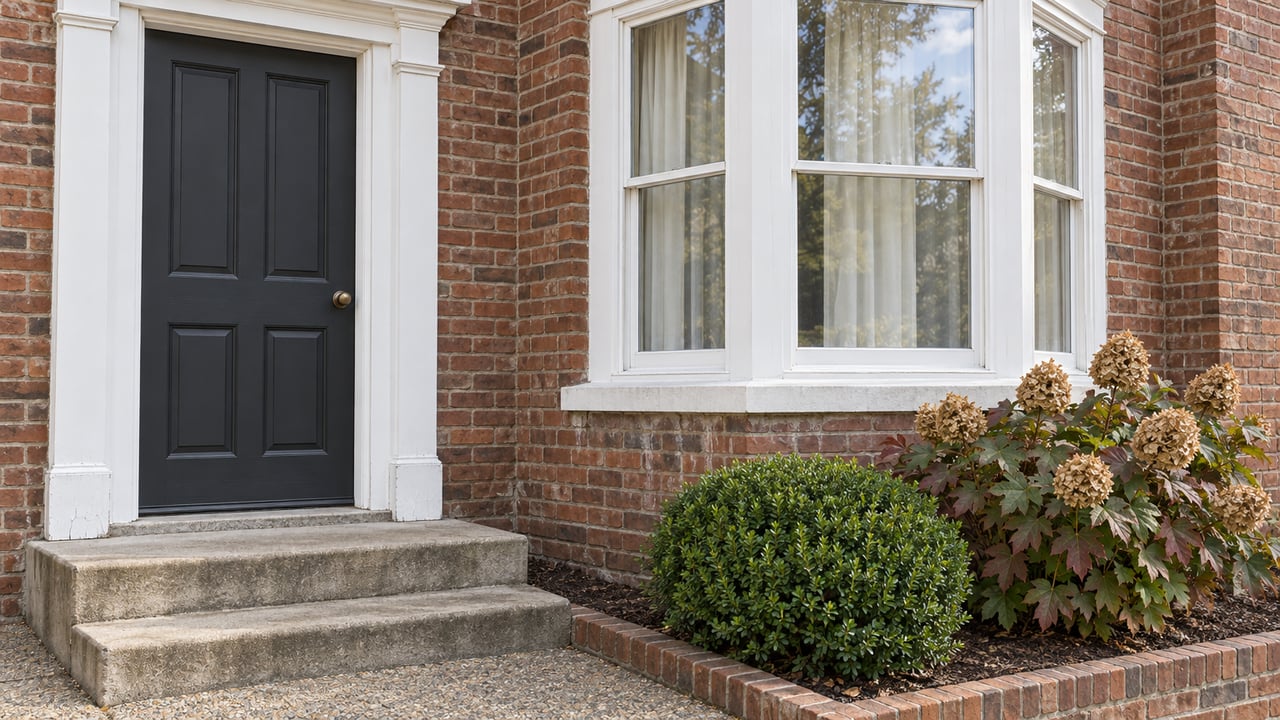
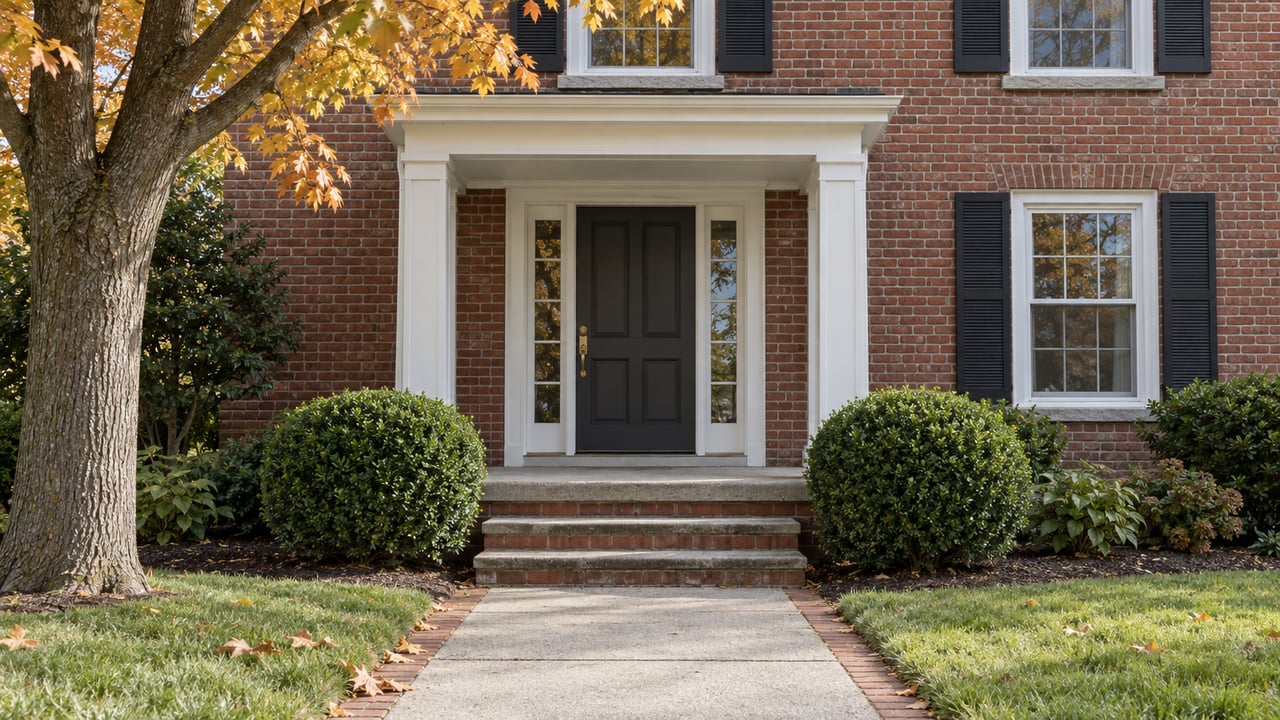
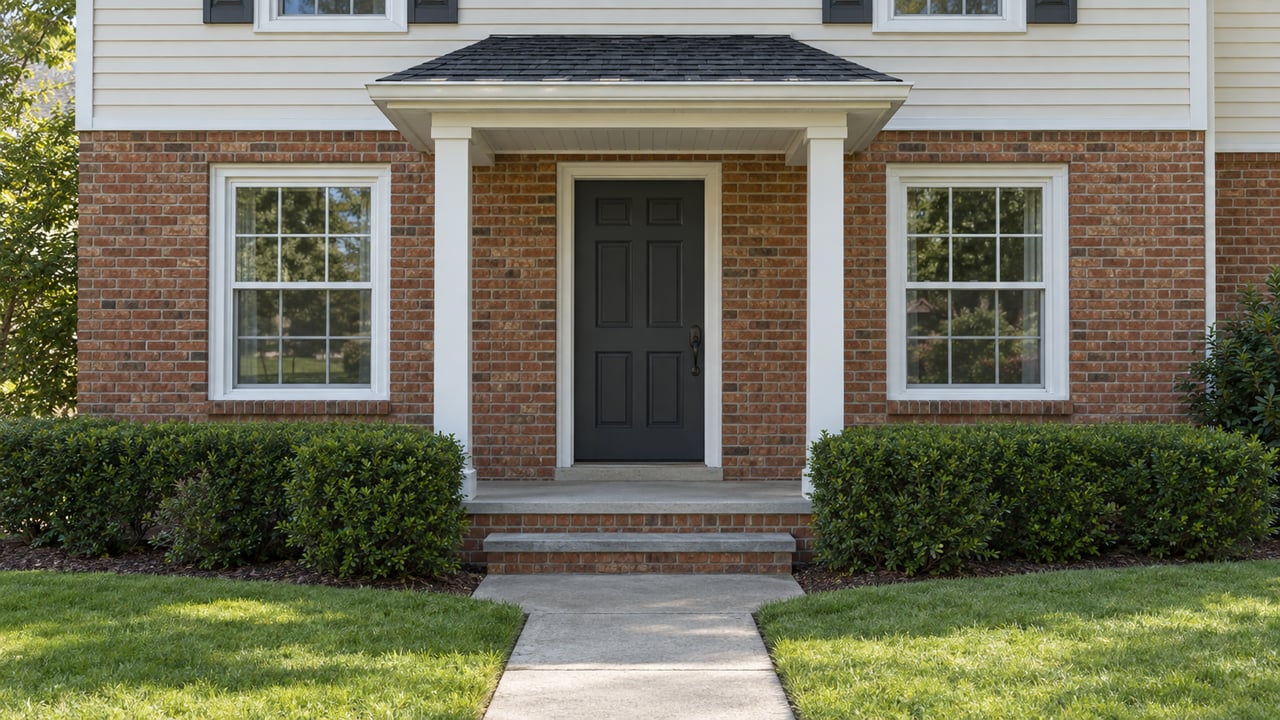
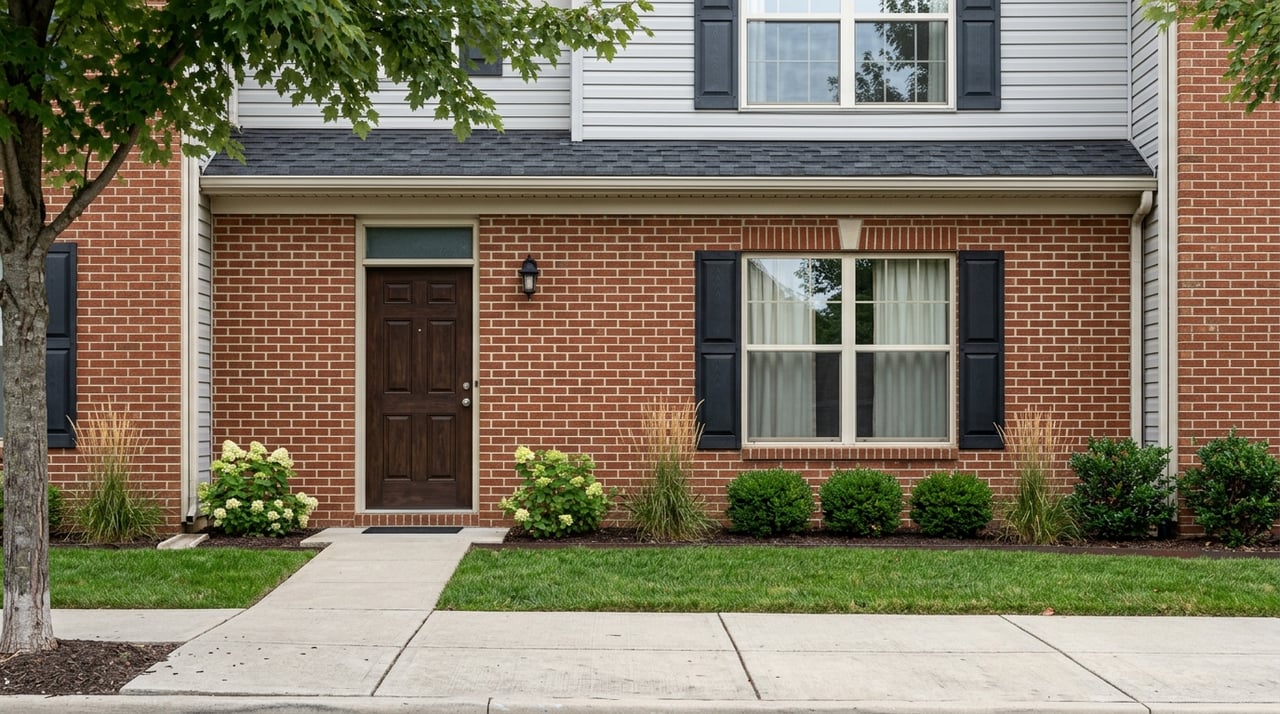
The local design guide highlights Tudor, Colonial Revival, Bungalow, Foursquare, Dutch Colonial, and French Provincial styles. It also notes that many revival-style homes feature brick facades or brick-and-wood combinations, which helps explain the classic visual character many people associate with Mt. Lebanon.
Historic details shape the streetscape
The township’s brick-street preservation policy calls brick streets a key historic and aesthetic feature of the community. That kind of detail may sound small, but it adds texture and identity to the experience of walking or driving through residential areas.
When streets, sidewalks, mature trees, and older architectural styles all work together, the neighborhood can feel established in a way that newer communities sometimes do not. That visual continuity is part of Mt. Lebanon’s appeal.
The core and surrounding blocks feel different
If you are home shopping in Mt. Lebanon, it helps to know that the denser core and nearby residential areas may offer different housing experiences. The National Register nomination describes Uptown as a mix of historic and modern shops, restaurants, and apartment buildings with broad sidewalks and masonry commercial buildings.
A municipal report also says the township has 177 multi-family dwellings, about 3,400 total multi-family units, 10,668 single-family dwellings, and 537 duplexes. Taken together, that suggests you may be more likely to find apartment or condo-style living closer to Uptown, while classic single-family homes are more common in the surrounding residential neighborhoods.
Why buyers respond to Mt. Lebanon
For many buyers, Mt. Lebanon offers a combination that can be hard to find. You get a traditional business district, a second neighborhood commercial corridor, established housing, strong park access, and public transit woven into a suburban setting.
That mix can be appealing whether you are a first-time buyer who wants convenience, a move-up buyer looking for neighborhood character, or someone relocating who wants a community with a clear center. The appeal is not just one feature. It is how all of those features support daily life together.
What to consider when exploring homes here
If Mt. Lebanon is on your shortlist, it helps to look at more than just price and square footage. The location of a home within the township can shape your day-to-day experience in a big way.
As you compare options, think about:
- How close you want to be to Washington Road or Beverly Road
- Whether light rail or bus access matters for your routine
- If you prefer a denser, more connected setting or quieter residential blocks
- What home style fits your goals, from apartment-style living near the core to classic single-family homes farther out
- How important park access and recreational amenities are to your household
A neighborhood-first approach usually leads to better long-term decisions. When your home matches the way you want to live, the numbers and the lifestyle tend to align more naturally.
If you are considering a move to Mt. Lebanon, working with a local agent who understands the township block by block can make the search much more focused. Nathaniel Nieland LLC. can help you evaluate location, home style, and daily convenience so you can make a confident move.
FAQs
Can you live in Mt. Lebanon without driving everywhere?
- Mt. Lebanon’s sidewalks, business districts, and Pittsburgh Regional Transit service make a car-light lifestyle possible, especially near Washington Road or Beverly Road.
What is Uptown in Mt. Lebanon?
- Uptown is the township’s central business district along Washington Road, with commercial properties, dining, shopping, and access to Mt. Lebanon Station.
What is Beverly Road like in Mt. Lebanon?
- Beverly Road is a smaller commercial corridor with restaurants and retail, and the township describes it as one of Mt. Lebanon’s most walkable neighborhoods.
What kinds of homes are common in Mt. Lebanon?
- Buyers will see a mix of housing, including historic styles such as Tudor and Colonial Revival, plus multi-family and apartment-style options, especially closer to Uptown.
Why does Mt. Lebanon feel like a small town?
- Its traditional business districts, sidewalk network, mature trees, parks, historic housing, and transit access all contribute to a connected, neighborhood-oriented feel.