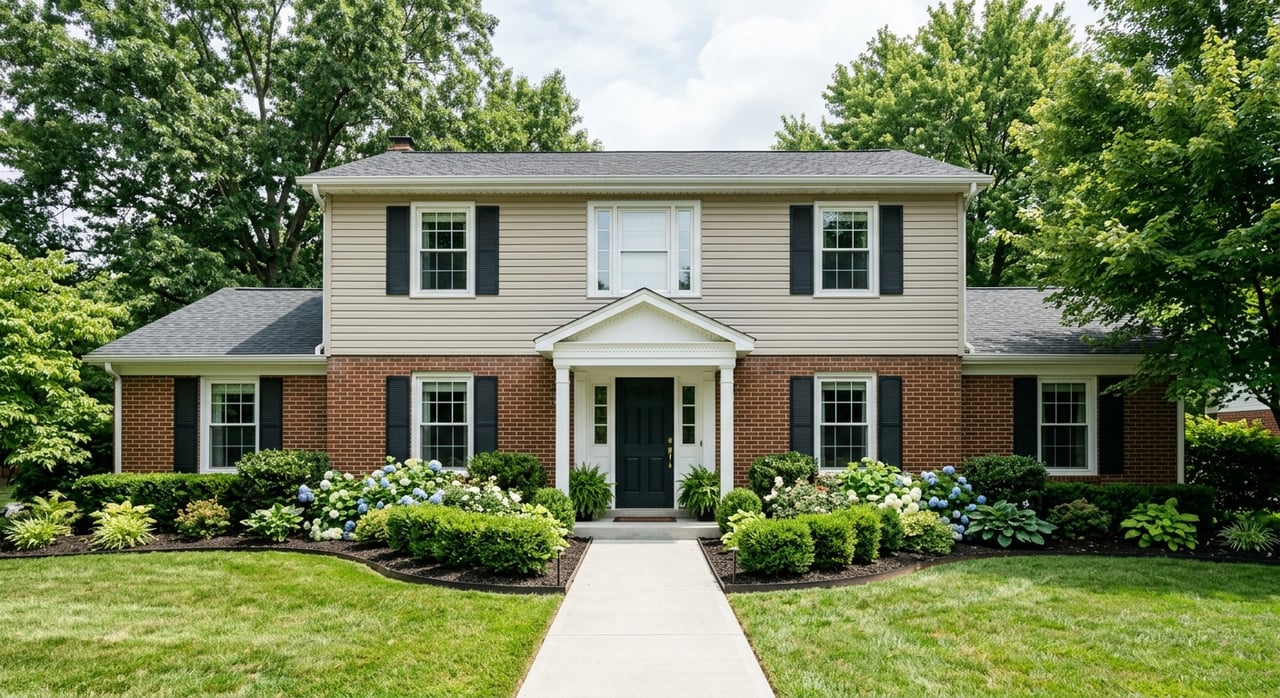
Thinking about selling your Ross Township home? In a balanced market, confidence does not come from guessing high or rushing to list. It comes from knowing your numbers, preparing your home well, and launching with a plan that fits local conditions. If you want to sell with less stress and better clarity, this guide will walk you through the key steps. Let’s dive in.
Understand the Ross Township Market
Ross Township gives sellers a useful mix of demand and realism. Realtor.com's May 2026 market summary shows 112 homes for sale, a median listing price of $267,495, a median sold price of $279,000, a median price per square foot of $194, and a median of 27 days on market. Homes sold at about 99% of list price on average, and the market was labeled balanced.
For you as a seller, that means well-prepared homes can still move in a reasonable time. It also means buyers are paying attention to value. In a market like this, a smart price based on recent sales is usually more effective than starting high and hoping the market stretches to meet you.
Price Your Home With Evidence
One of the biggest mistakes sellers make is treating the list price like a wish. A better approach is to use recent comparable sales, often called comps, to understand what buyers have actually paid for similar homes nearby. That gives you a price strategy rooted in market evidence instead of emotion.
According to NAR, comps are similar properties that have recently sold in the same area, and agents use them in a comparative market analysis. They look at factors like size, location, amenities, condition, upgrades, market conditions, and possible concessions. In Ross Township, that means details like lot size, age, updates, and overall condition can matter a lot.
Because Ross Township falls entirely within the North Hills School District, school district lines are not typically the factor separating one Ross home from another. Instead, pricing often comes down to the smaller details that affect buyer perception and appraised value. A home with recent updates, a more functional layout, or stronger condition may justify a different price than a similar home down the road.
Use County Records as a Cross-Check
MLS data helps identify the most relevant comps, but official records can add another layer of confidence. Allegheny County's real estate portal lets you search by address or parcel number, and county land-record tools include sale dates, sale prices, deeds, mortgages, subdivision plans, and property history details.
That makes a strong workflow for sellers. First, review comparable sales to shape a pricing range. Then, cross-check the official parcel record to confirm the details behind those sales.
Prepare Your Home Before Listing
A confident sale starts before the sign goes up. Fannie Mae recommends reviewing market conditions, estimating equity, planning for home-improvement costs, and accounting for closing and moving expenses. It also recommends making the home neutral, simple, and uncluttered before it goes live.
That does not mean you need a full renovation. It means you should focus on what will help buyers see the home clearly and feel comfortable walking through it, both online and in person. In many cases, thoughtful prep matters more than expensive upgrades.
Prioritize Repairs That Matter
Before listing, walk through your home with a practical lens. Ask yourself which issues are truly likely to affect buyer confidence and which are mostly cosmetic. A loose handrail, damaged trim, or deferred maintenance can raise questions, even if the rest of the home shows well.
If you plan to do any work before listing, check whether permits are required. Ross Township's building department follows the Pennsylvania Uniform Construction Code and the 2021 International Building Codes, with permit applications filed online and inspections generally requiring 48 hours' notice. Confirming that early can help you avoid delays.
Focus on Photo-Ready Presentation
Most buyers will see your home online before they ever schedule a showing. That means your digital first impression matters almost as much as the in-person one. Clean surfaces, bright rooms, and uncluttered spaces can make your home feel more inviting and easier to understand.
Fannie Mae notes that buyers may tour with little notice, so your goal is to get the home into a condition you can maintain. That often means simplifying decor, removing excess furniture, and creating a more neutral backdrop. You want buyers focusing on the space itself, not your stuff.
Use Staging Strategically
Staging does not have to mean a full redesign. It can simply mean presenting your home in a way that highlights space, light, and function. Even modest staging can help buyers connect with the home faster.
NAR's 2025 Profile of Home Staging found that 29% of agents saw a 1% to 10% increase in offered value when homes were staged, and 49% saw shorter market times. The most important rooms to stage were the living room, primary bedroom, and kitchen. If you are deciding where to spend time and money, start there.
Rooms to Tackle First
If you want a practical staging checklist, focus on the rooms buyers tend to notice most:
- Living room: create an open layout and remove extra items
- Primary bedroom: keep bedding simple and surfaces clear
- Kitchen: minimize countertop clutter and emphasize clean finishes
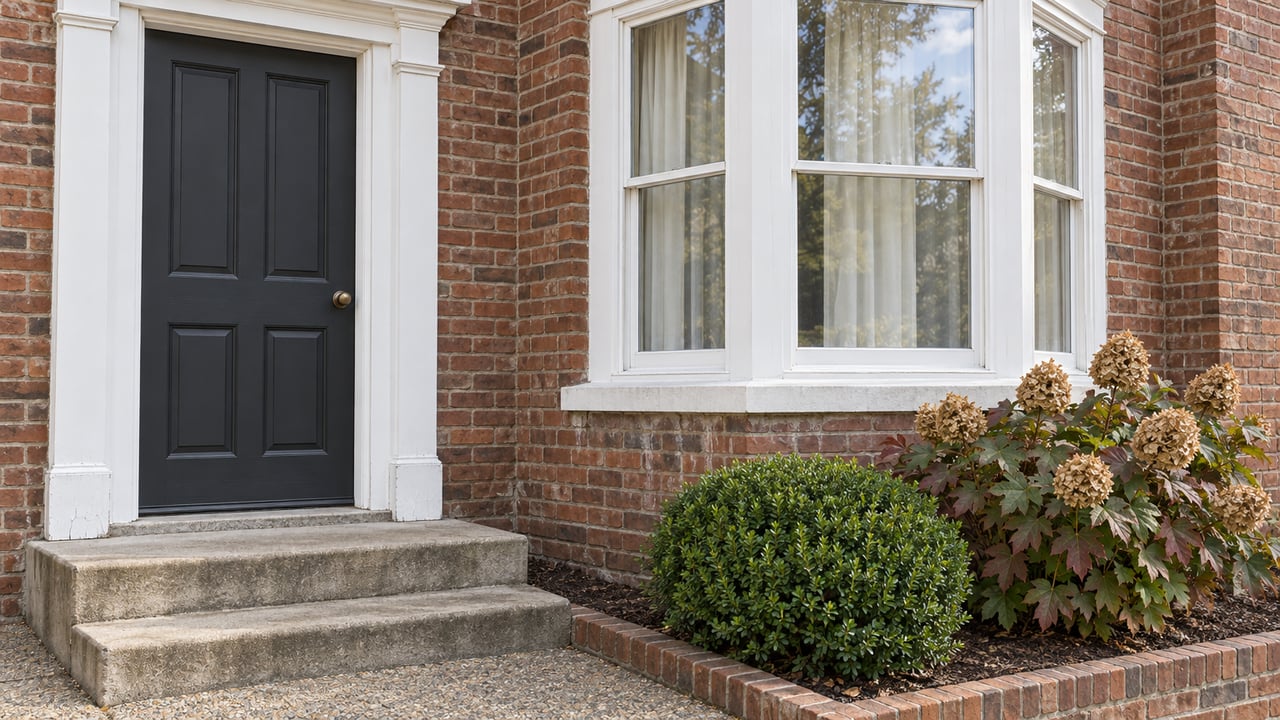
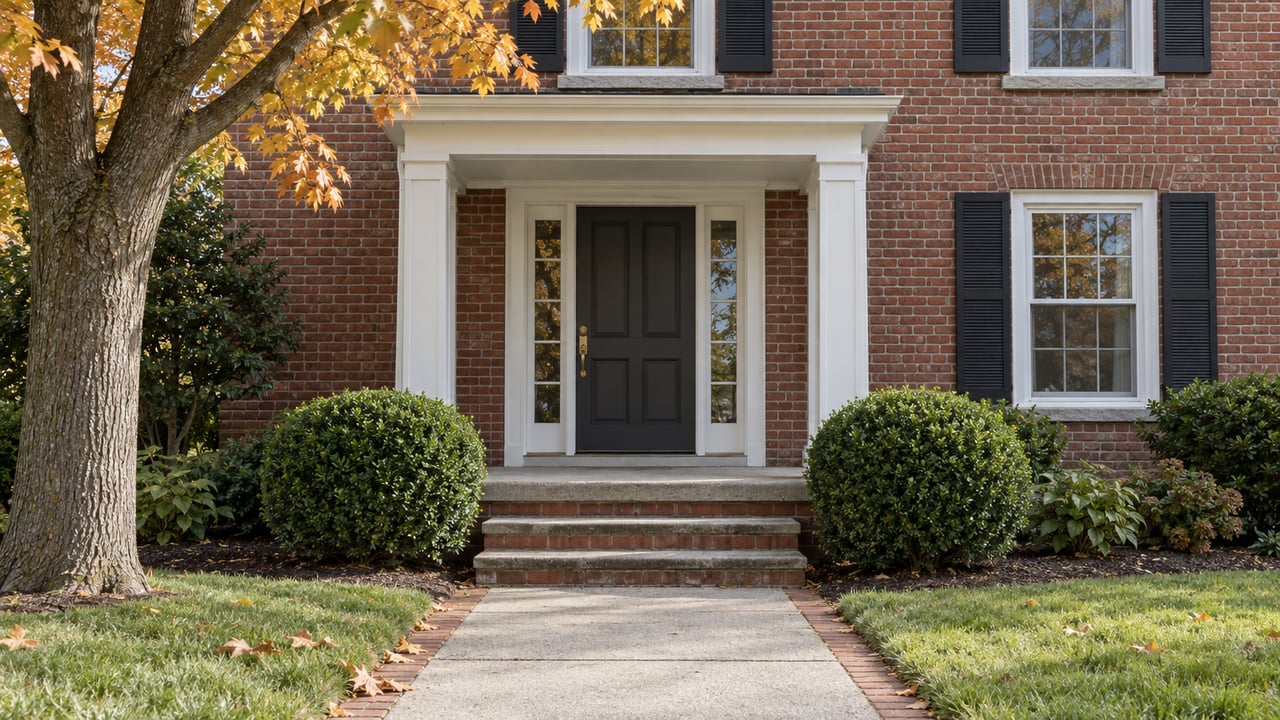
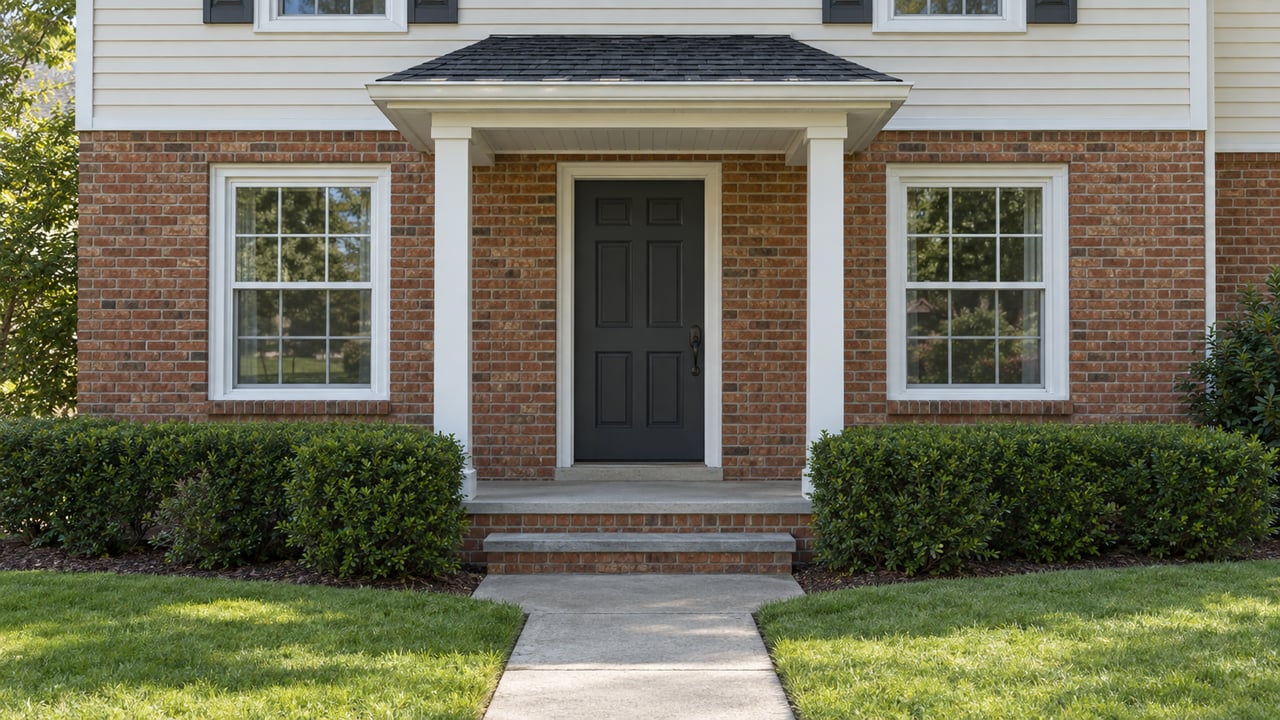
- Entry area: make the first few steps into the home feel bright and tidy
- Bathrooms: keep them clean, neutral, and lightly styled
You do not need perfection. You need a home that feels cared for, functional, and easy to picture living in.
Time Your Launch Thoughtfully
If your timeline is flexible, timing can help. National 2026 guidance from Realtor.com and Redfin points to late spring as a strong window, with Realtor.com naming April 12 through 18 as the best week to sell and Redfin identifying late March through mid-May as a broad sweet spot.
That is national guidance, not a Ross-specific rule. Still, it supports a practical takeaway for local sellers: a polished spring launch is often better than a rushed one. If waiting a few weeks gives you time to handle repairs, declutter, and prepare strong listing photos, that extra prep may be worth it.
Build a Strong Marketing Plan
A good home does not market itself. Fannie Mae recommends a formal marketing plan that may include MLS exposure, open houses, virtual tours, and flyers. The goal is to make sure buyers see your home in the best possible light across the channels they already use.
For many sellers, that starts with presentation. NAR also found that one in three buyers' agents were more likely to schedule a showing after seeing a staged home online. That means your online listing photos, room flow, and overall visual story can directly affect showing activity.
What a Strong Launch Should Include
A thoughtful listing launch often includes:
- Clear pricing based on recent comparable sales
- Professional-quality listing presentation
- Strong photos that show clean, bright, well-staged spaces
- Broad MLS exposure
- A plan for showings and possible open houses
- Fast adjustments if buyer response is weaker than expected
When those pieces work together, you give your home a better chance to attract serious buyers early.
Review Offers Beyond Price Alone
The highest offer is not always the strongest offer. Fannie Mae notes that price is only one piece of the decision. Closing speed, inspection periods, contingencies, and other terms can all affect how smooth the sale feels from contract to closing.
This is where a calm, numbers-driven review really helps. A slightly lower offer with cleaner terms may be more attractive than a higher offer with more risk or delay built in. The right choice depends on your priorities, timeline, and tolerance for uncertainty.
If Interest Is Slower Than Expected
Sometimes a listing does not get the response you hoped for. In that case, Fannie Mae says sellers may need to lower the price or add incentives, such as closing-cost help. The key is to respond based on feedback and market evidence, not frustration.
In Ross Township's balanced market, overpricing is more likely to slow a sale than trigger a bidding war. That does not mean every home will follow the same pattern, but it is a useful reality check. If showings are light or offers are not coming in, price and presentation are usually the first places to look.
Plan for Ross Township Closing Costs
Before you list, it helps to understand at least one major local closing cost. Allegheny County says realty transfer tax is collected when the deed is recorded and is paid separately from recording fees. The county notes that 1% goes to the state, and the remainder goes to the municipality and school district.
Ross Township's code shows a 0.5% local realty transfer tax. Since total realty transfer tax rates can vary by municipality and school district, confirm the exact amount with your title company before closing. Knowing that number ahead of time can help you estimate your net proceeds more accurately.
Sell With a Clear Plan
Selling your Ross Township home with confidence is really about reducing guesswork. When you combine local market data, realistic pricing, smart prep, and a strong launch, you put yourself in a much better position to attract serious buyers and make informed decisions. Confidence comes from a plan, not just optimism.
If you are preparing to sell and want a strategy built around Ross Township market conditions, pricing discipline, and strong presentation, Nathaniel Nieland LLC. can help you take the next step with clarity.
FAQs
How is the Ross Township housing market for home sellers?
- Ross Township was labeled a balanced market in May 2026, with 112 homes for sale, a median of 27 days on market, and homes selling at about 99% of list price on average.
How should you price a home in Ross Township?
- You should price your home using recent comparable sales, along with factors like condition, size, updates, lot characteristics, and overall market conditions.
What home improvements should you make before listing in Ross Township?
- Focus first on repairs that affect buyer confidence, then on simple cosmetic improvements that help the home look clean, neutral, and photo-ready.
Do Ross Township home repairs need permits before selling?
- Some repairs or improvements may require permits, so you should check with Ross Township's building department before starting pre-listing work.
When is the best time to sell a Ross Township home?
- If your schedule is flexible, a polished spring launch is often a strong option based on national 2026 seasonal selling guidance.
What closing costs should Ross Township home sellers expect?
- One key cost to plan for is realty transfer tax, and you should confirm the exact total with your title company because rates vary by municipality and school district.