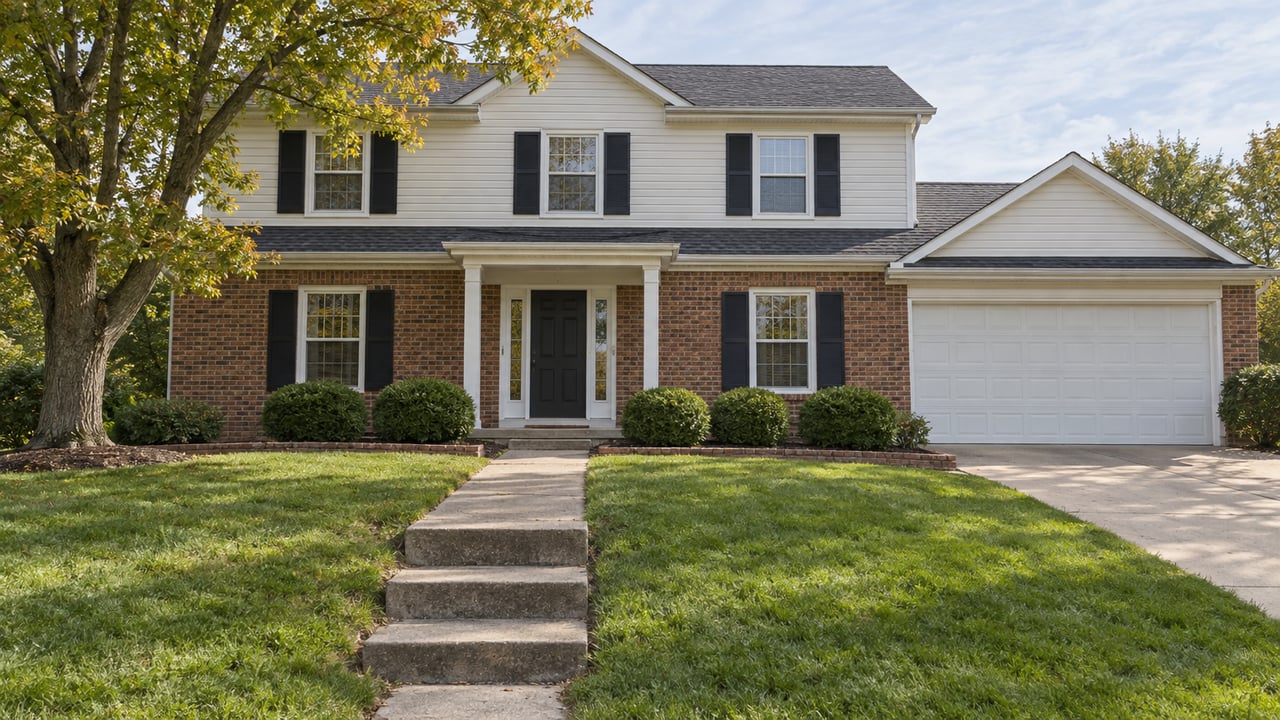
"Welcome to the Neighborhood Tax." That's what Flaherty Fardo Rogel & Amick calls the letter that shows up in a new homeowner's mailbox a few months after closing, informing them that a school district has filed an appeal to raise their property assessment. Nothing about the house changed. No addition, no renovated kitchen, no new roof. The only thing that happened is the sale itself, recorded in public documents the district can read the day it closes.
If you're buying or selling in Pittsburgh or the surrounding Allegheny County suburbs this year, this is worth understanding before you sign anything, not after a tax bill arrives that doesn't match the number you budgeted for.
How a Sale Can Affect Your Assessment
According to Lebovitz & Lebovitz, Allegheny County has not conducted a countywide property reassessment since 2012. Every parcel in the county is still taxed based on what the county decided it was worth back then, adjusted only through individual appeals rather than a fresh, uniform look at current values. That system is called a base year, and it works fine right up until a property sells.
According to Lebovitz & Lebovitz, under Pennsylvania law, a sale gives the county, or the taxing bodies that rely on it, grounds to conduct what's known as a spot reassessment: a targeted revaluation of that one property based on the price it just sold for. The county, municipality, or school district can argue the sale itself is the clearest evidence of the home's current market value, then apply the state's Common Level Ratio to convert that price into a new assessed value for tax purposes. School districts file the overwhelming majority of these appeals, because they carry the highest millage rate of the three taxing bodies on a Pittsburgh-area tax bill and have the most revenue to gain.
The house next door, last sold before 2012 and never touched, keeps its old assessment. Yours doesn't.
Two Nearly Identical Houses, Two Very Different Bills
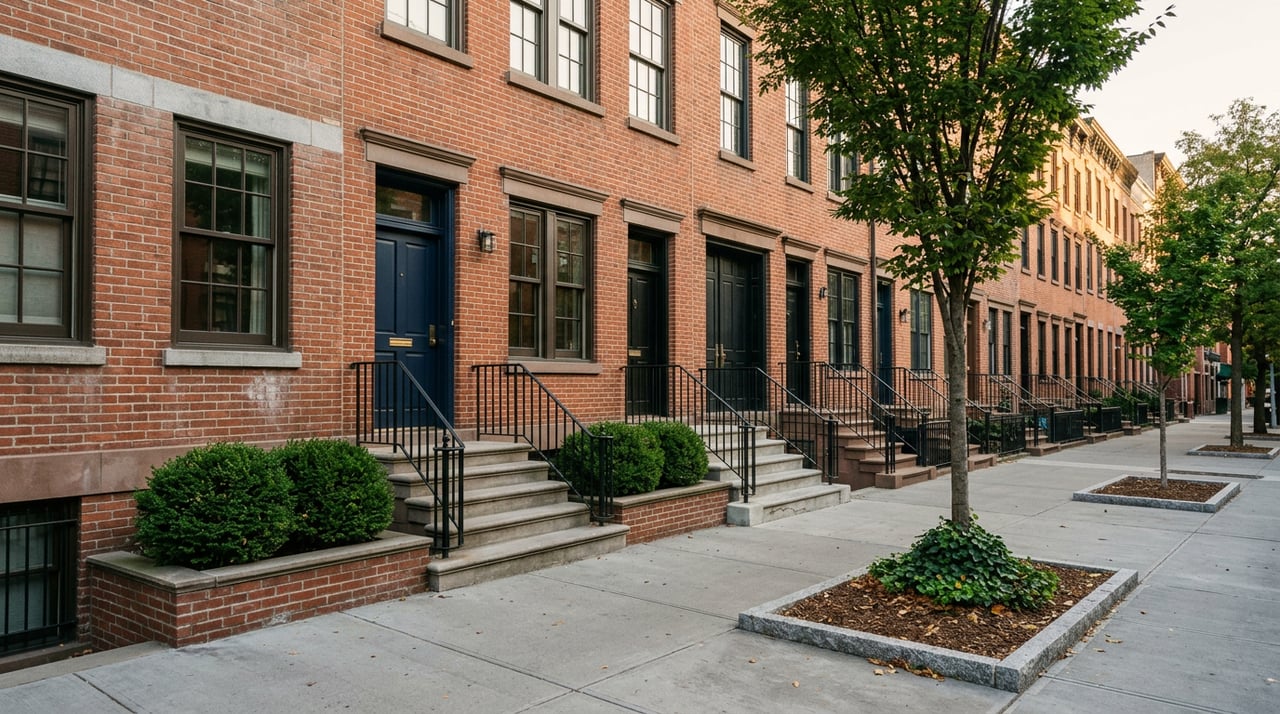
Here's the version that makes the mechanism concrete. Say two rowhouses on the same block were both assessed at $150,000 under the county's 2012 base year. One hasn't changed hands since. The other sells this year for $400,000.
The owner who never sold keeps paying taxes on a $150,000 assessment. The buyer who just closed may receive an appeal notice arguing their assessment should reflect that $400,000 sale price, once the county's ratio is applied. Depending on the district's millage rate, a successful appeal could mean a higher tax bill than the neighboring, functionally identical house pays.
The amount of any increase depends in part on the Common Level Ratio and whether an appeal succeeds.
Why the Ratio Keeps Sliding, and Why That Cuts Both Ways
The number that converts a sale price into a new assessed value is called the Common Level Ratio, published annually by the state's Tax Equalization Board. It has been dropping. For the 2026 tax year it sits at 50.14 percent. The figure that takes effect for 2027 assessments, already certified, drops further to 49.3 percent, down from ratios above 80 percent just a few years earlier.
A lower ratio is good news if you're the one appealing for a reduction. It takes a smaller gap between your current assessment and today's market value to make a winning case. But the same ratio runs in the other direction for a school district appealing a recent sale upward: it multiplies your purchase price by roughly half to land on the assessed value it will argue for, which still often lands well above what a property sold decades ago and never reassessed is currently paying. The ratio doesn't protect new buyers from the mechanism. It just sets the math both sides use.
This disparity, between what a longtime owner pays and what a recent buyer pays on a comparable property, is precisely what Pittsburgh Public Schools cited when it sued Allegheny County in April 2024 to try to force a countywide reassessment, arguing the current system violates the state constitution's uniformity requirements. A Common Pleas judge dismissed that suit in February 2025 on standing grounds without ruling on the underlying claim, and Pittsburgh's Public Source reported in August 2026 that the district had appealed to Commonwealth Court, where the case remained pending. Nothing about the appeal process for individual homeowners has changed while that litigation works its way through the courts.
The 2027 Appeal Window
Allegheny County runs an annual appeal window that anyone, homeowner or taxing body, can use to challenge an assessment for the coming tax year. For the 2027 tax year, that window opened July 1, 2026 and closed September 1, 2026.
That deadline applied in both directions. If you closed on a home in the past year and believe your assessment is at risk of a district-initiated increase, or if you're a longtime owner who suspects your 2012 assessment is now out of step with what comparable homes are actually selling for, the September 1, 2026 deadline for the 2027 tax year has passed. Filing during that window costs nothing through the county's own Annual Appeal process, handled through the Office of Property Assessments or the county's online Real Estate Portal. According to Lebovitz & Lebovitz, missing it means living with whatever assessment stands for the entire tax year that follows, with no retroactive fix available.
What This Means at the Closing Table
If you're under contract on a Pittsburgh-area home right now, the question worth asking isn't whether your new assessment will match your purchase price. It's how big the gap between your current assessed value and your purchase price already is, because that gap is the single best predictor of whether a spot reassessment appeal is coming. A purchase price that's two or three times the existing 2012 assessment is a much bigger flag to a school district than one that's only modestly higher.
For buyers, that means budgeting for the tax bill you might have a year from now, not just the one printed on today's listing sheet. For sellers, it rarely changes anything on your side of the closing table, but it's worth understanding when a buyer's lender or agent starts asking pointed questions about the current millage and assessment history. And for anyone weighing a purchase in Mt. Lebanon, Ross Township, or the parts of Gibsonia that fall in Allegheny County, the same base-year and Common Level Ratio math applies, since it's a countywide system rather than a Pittsburgh-only quirk. None of this is legal or tax advice, and a property tax attorney or accountant is the right person to walk through your specific numbers, but understanding the mechanism before you close is what keeps it from becoming a surprise after.
A Few Direct Questions
Does this only apply inside Pittsburgh city limits? No. The base year and Common Level Ratio system applies across all of Allegheny County, which covers Pittsburgh proper along with suburbs like Mt. Lebanon and Ross Township. Gibsonia straddles Allegheny and Butler counties, so it's worth confirming which county governs a specific parcel before assuming the same rules apply.
Can a buyer prevent a spot reassessment from happening? Not outright. It's a decision the taxing body makes after the sale is recorded. What a buyer can control is going into the purchase with a realistic estimate of what a post-sale appeal could mean for the annual tax bill, and knowing the annual appeal window if they want to contest the outcome themselves.
Is the Pittsburgh Public Schools lawsuit going to change this system soon? Not on any fixed timeline. The case is pending at Commonwealth Court after being dismissed on standing grounds, and there's no indication of when a ruling might come or what it would require if the district ultimately prevails.
Property taxes are one of the few numbers in a Pittsburgh-area purchase that can move significantly after closing day, and it rarely shows up in a way that feels obvious until the bill arrives. If you're weighing a purchase or sale anywhere in the city or the surrounding suburbs and want a clear read on what a specific property's tax picture actually looks like, not just the number on today's listing, Nate Nieland can walk through the numbers with you before you're under contract. Book an Appointment to talk through the details for your specific address.